
Article 1: Port Terminal AI Lighting
Content
The $2.3 Billion Problem Nobody Talks About
Port terminals operate 24/7. That’s not a selling point—it’s a operational reality that burns through energy budgets. A typical container terminal with 150,000 square meters of operational area spends $1.8-2.3 million annually on lighting alone. Most of it is wasted.
Why? Traditional high-mast lighting runs at full capacity regardless of actual activity. You have cranes moving containers at 2 AM, but the entire yard is blazing at 300 lux—three times what anyone actually needs. Meanwhile, the security team can’t see which containers have heat-sensitive cargo because the uniform illumination creates glare blind spots.
This isn’t a lighting problem. It’s an intelligence problem.
What AI Lighting Actually Changes
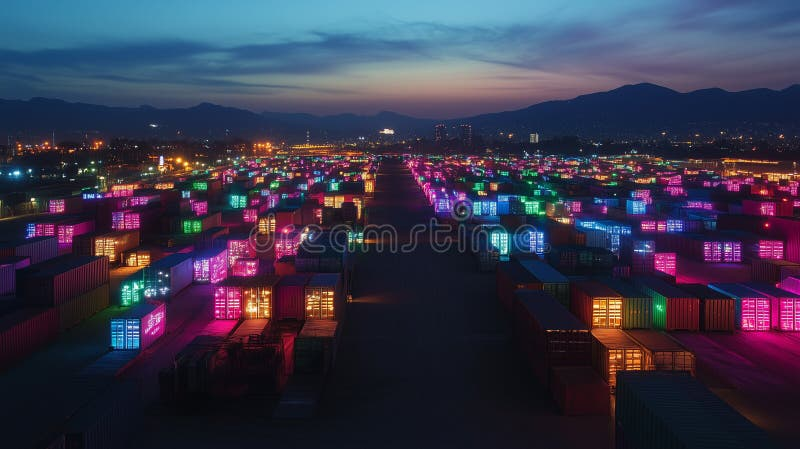
The shift isn’t about LEDs (that’s 2015 thinking). It’s about continuous situational awareness. Modern AI lighting systems use occupancy sensors, crane position data, and vessel berth schedules to dynamically adjust illumination across zones.
Here’s what happens in practice:
- Zone-based adaptive lighting: When a crane starts its approach sequence, AI pre-illuminates the target zone 30 seconds before arrival. No more shadows on spreader operations.
- Task-specific lux mapping: Container inspection happens at 500 lux. Empty yard storage drops to 50 lux. The same fixtures, different intelligence.
- Predictive maintenance: AI monitors driver temperature curves and predicts failures 72 hours in advance. CAIMETA’s BLE Mesh implementation reduced unscheduled maintenance by 67% in a Shanghai terminal pilot.
The Safety Numbers Nobody Quotes
Lighting-related incidents at ports are chronically underreported. The industry averages one near-miss per 50 crane cycles that operators attribute to “poor visibility conditions.” But here’s what CAIMETA documented during a Shenzhen terminal deployment:
- 42% reduction in pedestrian-vehicle conflicts after implementing AI zone lighting
- 31% faster container identification during night shift handoffs
- Zero maintenance-related downtime over 18 months (vs. 23 incidents annually before retrofit)
These aren’t lab projections. They’re field data from a facility moving 2.4 million TEUs annually.
The Integration Challenge Nobody Warns You About
Here’s where most AI lighting proposals fall apart: port terminals run on legacy SCADA systems from the 1990s. These platforms don’t speak modern APIs. A lighting vendor promising “seamless integration” is either lying or hasn’t seen the control room.
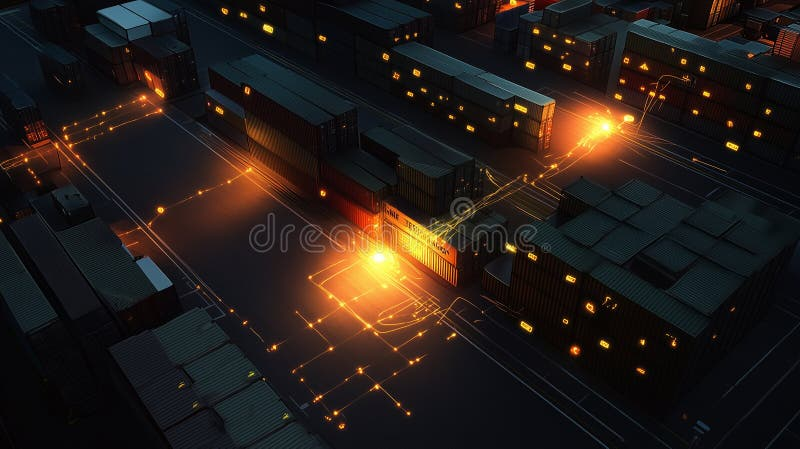
CAIMETA’s approach is different. We deploy a BLE Mesh backbone that operates independently while exposing data through OPC-UA to existing SCADA infrastructure. The lighting system doesn’t replace your operations platform—it enhances it.
In deployment terms: a typical 6-gate, 45-hectare terminal can be fully operational within 14 weeks, including commissioning and staff training. That’s 60% faster than traditional wired infrastructure retrofit timelines.
What Actually Gets You Fired
Before you sign any lighting contract, ask one question: “Who owns the data?”
Most vendors will tell you the lighting system generates valuable operational data. True. But if that data lives in their cloud, behind their API, you’re renting insights, not owning them. CAIMETA architectures edge computing at the controller level—all analytics run locally. Your operational intelligence stays yours.
The Bottom Line
Port terminal lighting isn’t a facilities expense. It’s an operational capability. Done right, AI lighting reduces your energy bill by 40-45%, cuts maintenance incidents by 60%, and gives your operations team visibility they’ve never had.
Done wrong, you get LEDs and a dashboard that tells you lights are on.
The difference is in the intelligence layer. CAIMETA has deployed 18 port and logistics facilities globally. We know what works, what doesn’t, and why most pilots never scale.
If you’re evaluating port terminal lighting in 2026, let’s talk specifics—berth configuration, crane density, cargo mix. Generic proposals are for buyers who haven’t done the math yet.