
AI Restaurant Lighting: Creating Memorable Dining Experiences Through Intelligent Illumination
How Smart Lighting Technology is Transforming the Food Service Industry
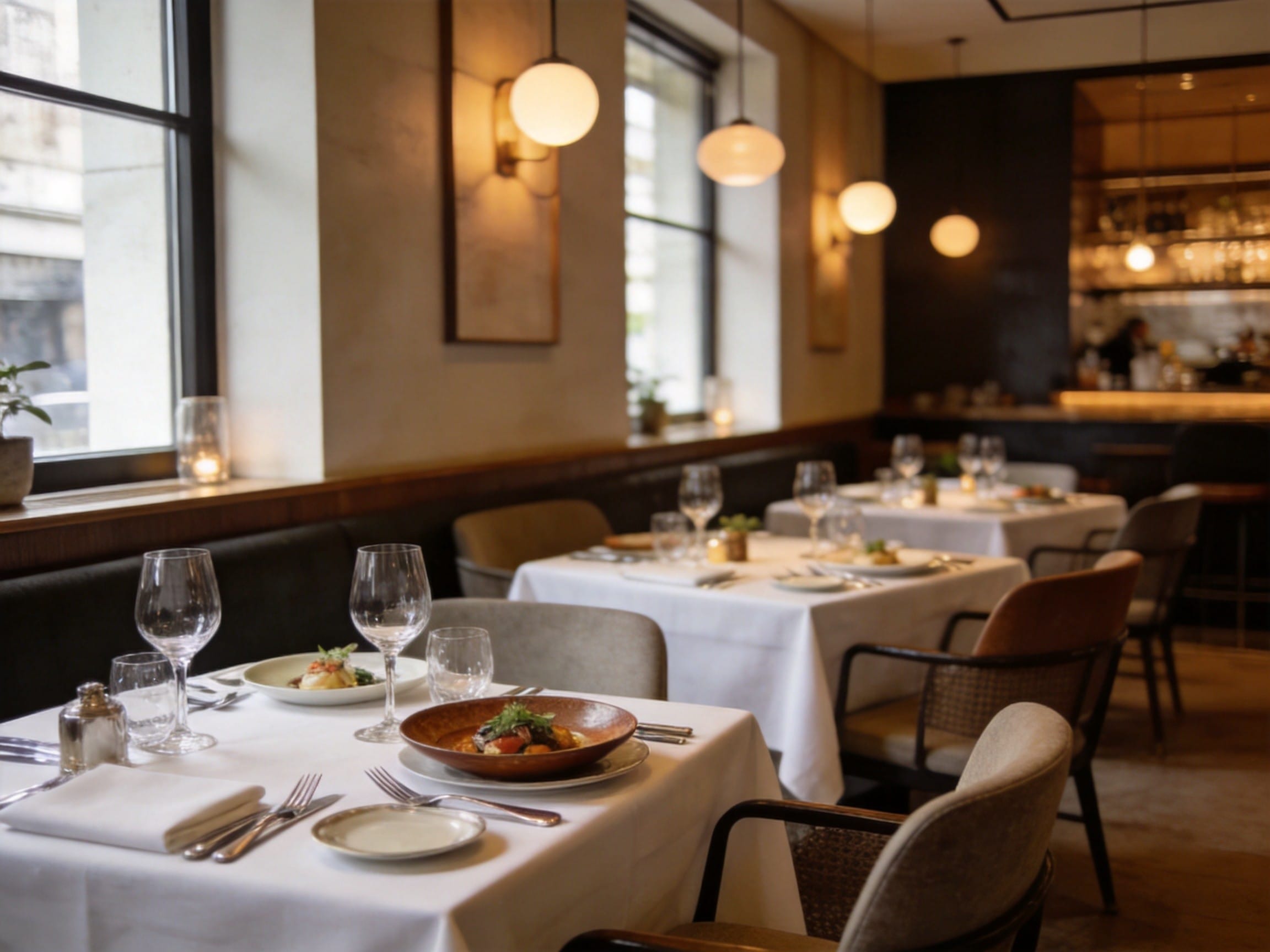
In the competitive restaurant industry, every detail matters. Lighting isn’t just about helping customers see their food—it’s a powerful tool for shaping mood, enhancing brand perception, and driving revenue. AI-powered restaurant lighting systems are emerging as essential technology for forward-thinking restaurateurs seeking to create unforgettable dining experiences.
The Psychology of Restaurant Lighting
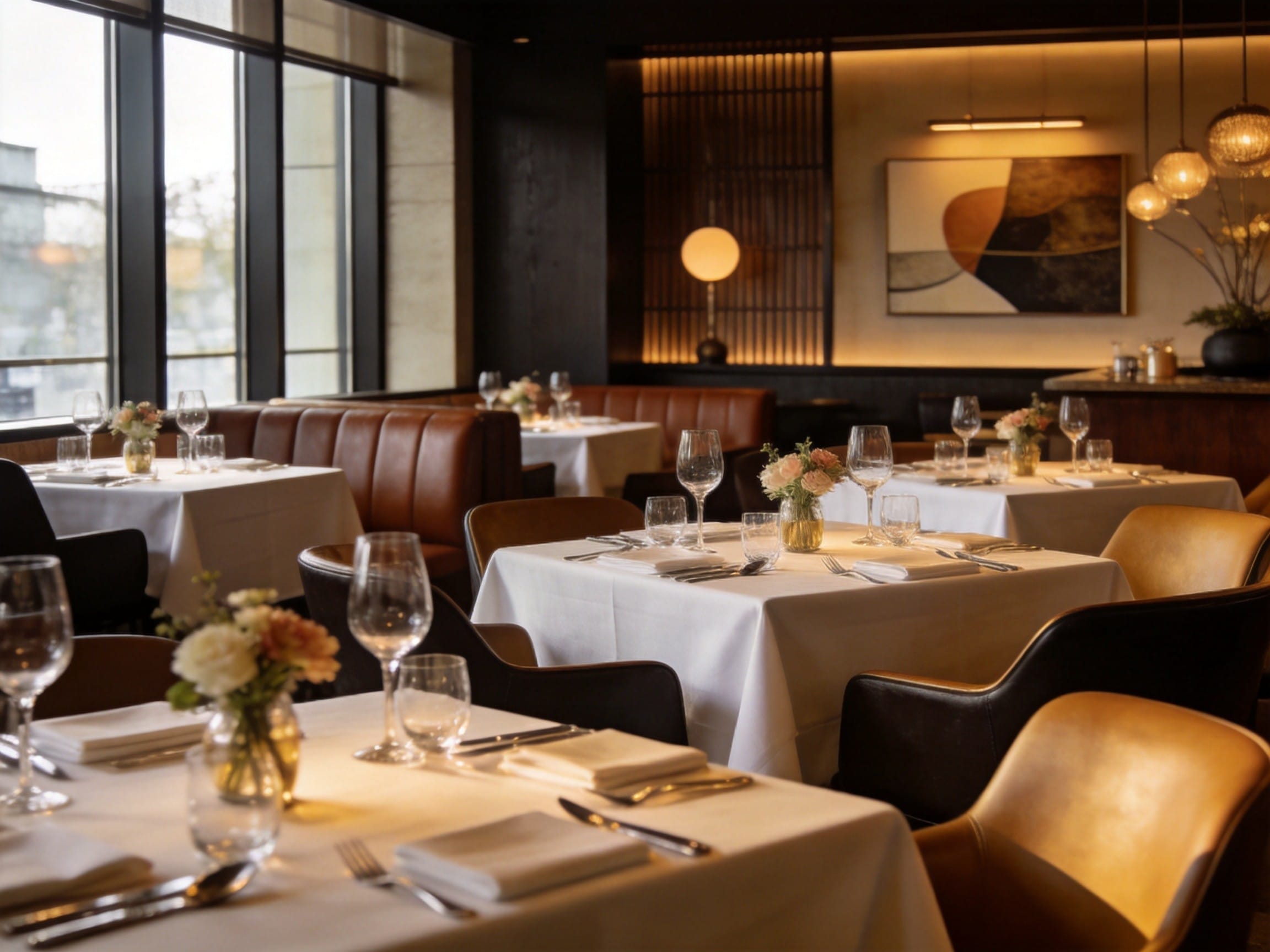
Research in environmental psychology consistently demonstrates that lighting significantly impacts customer behavior:
- Dwell time: Soft, warm lighting increases average time spent in venue by 15-20%
- Perceived food quality: Higher illuminance on plates (300-500 lux) increases perceived food quality ratings
- Spending patterns: Table lighting levels correlate with beverage order frequency
- Return intent: Customers are 40% more likely to return to venues with “appropriate” lighting
Understanding these dynamics allows restaurateurs to use AI lighting strategically throughout the customer journey.
Dynamic Lighting Zones in Modern Restaurants
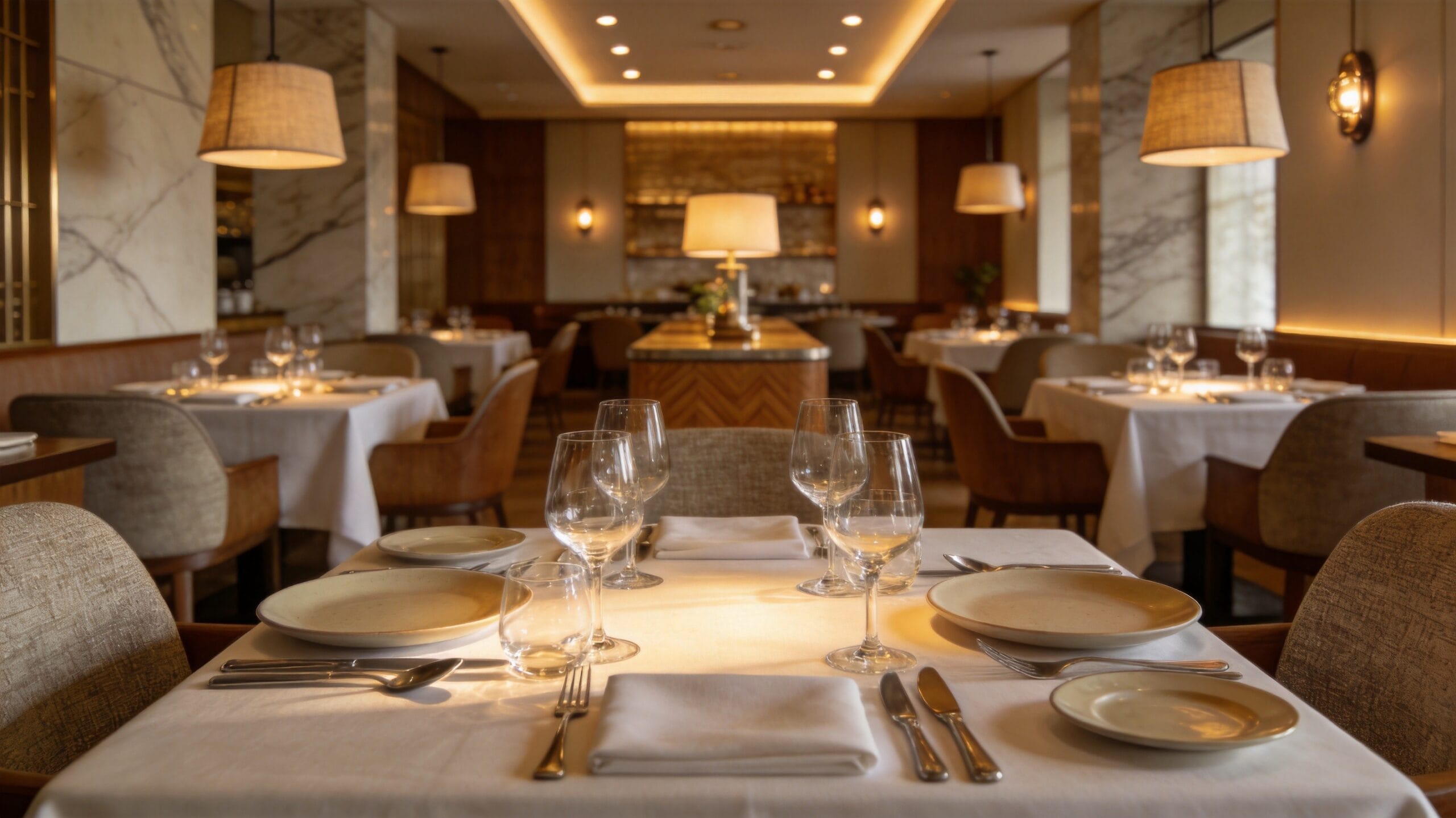
The Entrance Effect
First impressions shape everything. AI systems can create dramatic entrance lighting that:
- Attracts attention from the street
- Establishes brand identity immediately
- Guides customers naturally toward the host stand
- Creates a sense of arrival and anticipation
Dining Area Ambiance Control
The main dining area requires nuanced lighting that adapts throughout the service:
Lunch Service: Brighter, energizing light (300-400 lux) encourages faster turnover
Evening Service: Warmer, more intimate lighting (100-200 lux) extends dwell time
Late Night: Ultra-low lighting (50-100 lux) creates lounge atmosphere
AI systems automatically transition between these states based on time, reservations, and occupancy patterns.
Kitchen Visibility Standards
Behind the scenes, kitchen lighting must meet strict operational requirements:
- Food prep areas: 500 lux minimum, high CRI (>90) for accurate color assessment
- Line cooking stations: Task lighting with 1000 lux on cooking surfaces
- Walk-in refrigeration: LED strips with motion activation
- Dishwashing area: Bright, water-resistant fixtures (IP65 minimum)
AI Color Temperature Optimization
The Science of Warm Light
Different color temperatures create distinct emotional responses:
| Color Temperature | Kelvin | Effect |
|——————|——–|——–|
| Warm white | 2700K | Cozy, intimate, relaxing |
| Neutral white | 3500K | Balanced, professional |
| Cool white | 4000K | Alert, energizing |
| Daylight | 5000K+ | Clinical, precise |
For restaurants, 2700K-3000K is generally preferred for dining areas, but AI systems can dynamically adjust based on:
- Time of day
- Natural light levels (window-facing tables)
- Type of cuisine
- Special events or holidays
Tunable White Technology
AI-enabled tunable white (TW) LED systems offer unprecedented control:
- Gradual CCT transitions throughout the day
- Different temperatures for different seating areas
- Automatic adjustment based on outdoor conditions
- Preset scenes for holidays and special events
Smart Lighting Features for Restaurant Operations
Occupancy-Adaptive Systems
Restaurants rarely operate at full capacity. AI lighting provides zone-based control:
- Automatically dim or turn off lighting in empty sections
- Adjust HVAC coordination for unoccupied zones
- Generate occupancy heat maps for layout optimization
- Predict peak periods based on historical patterns
Brand-Consistent Lighting Presets
Consistency is crucial for brand identity. AI systems ensure every visit feels right:
- One-touch presets for different service periods
- Instant scene recall for special events
- Cloud-based configuration for multi-location chains
- Audit logs for compliance verification
Emergency Lighting Integration
Safety compliance is non-negotiable. Modern systems integrate:
- Automatic testing of emergency luminaires
- Battery backup monitoring
- Exit sign visibility optimization
- Integration with fire alarm systems
Energy Efficiency and Sustainability
Restaurant Energy Costs
Restaurants typically spend 25-35% of utility costs on lighting:
- Quick service: $2-4 per sq ft annually
- Casual dining: $3-6 per sq ft annually
- Fine dining: $5-10 per sq ft annually
AI optimization can reduce these costs by 40-60% through:
- Occupancy-based dimming
- Daylight harvesting
- Schedule-based optimization
- Predictive maintenance
Sustainability Certifications
Many restaurants pursue green certifications:
- LEED certification: Lighting controls contribute significantly
- Green Restaurant Association: Energy reduction requirements
- Carbon neutral commitments: Measurable impact from lighting upgrades
Implementation Guide
Assessment Phase
Before implementing AI restaurant lighting:
1. Light audit: Measure existing illuminance levels
2. Usage analysis: Review operational patterns
3. Brand requirements: Define lighting standards
4. Integration needs: Identify BMS compatibility
Installation Considerations
Key technical factors:
- DIMMING requirements: 0-10V, DALI, or wireless (BLE Mesh)
- Control architecture: Cloud vs. local processing
- Wiring: New construction vs. retrofit options
- Aesthetic integration: Luminaire selection must match design vision
Staff Training
Technology is only as good as its users:
- Simple scene selection interfaces
- Troubleshooting guides for common issues
- Mobile app access for managers
- Scheduled optimization reviews
The Future: AI Lighting and Guest Experience
Integration with Reservations Systems
Future AI systems will coordinate lighting with:
- Table-specific lighting preferences
- Occasion-based scenes (birthday, anniversary)
- VIP recognition lighting cues
- Wait time communication through lighting
Data-Driven Insights
AI lighting systems will increasingly serve as data collection platforms:
- Foot traffic patterns
- Table turnover analysis
- Customer flow optimization
- Marketing event effectiveness
Personalization at Scale
The ultimate goal: lighting that responds to individual preferences while maintaining operational efficiency.
Conclusion
AI-powered restaurant lighting represents a convergence of art and technology. By understanding the psychological impact of light and leveraging intelligent systems, restaurateurs can create environments that delight customers, improve operational efficiency, and strengthen brand identity.
The investment in AI lighting technology pays dividends across multiple dimensions: enhanced customer experience, reduced operating costs, improved sustainability metrics, and actionable operational data.
For restaurant operators evaluating technology investments, AI lighting offers a unique combination of immediate ROI and long-term competitive advantage.
—
About CAIMETA®
CAIMETA® delivers AI-powered lighting solutions designed specifically for the hospitality and food service industries. Our intelligent systems combine advanced tunable white technology with machine learning algorithms to create dining experiences that customers remember. Discover how our [AI lighting solutions](https://caimeta.net/smart-hospitality-lighting) can transform your venue.
—
Published: May 26, 2026