
AI-Powered Industrial Lighting: Transforming Factory and Warehouse Operations in 2026
How Intelligent Illumination Systems Are Revolutionizing Manufacturing Environments
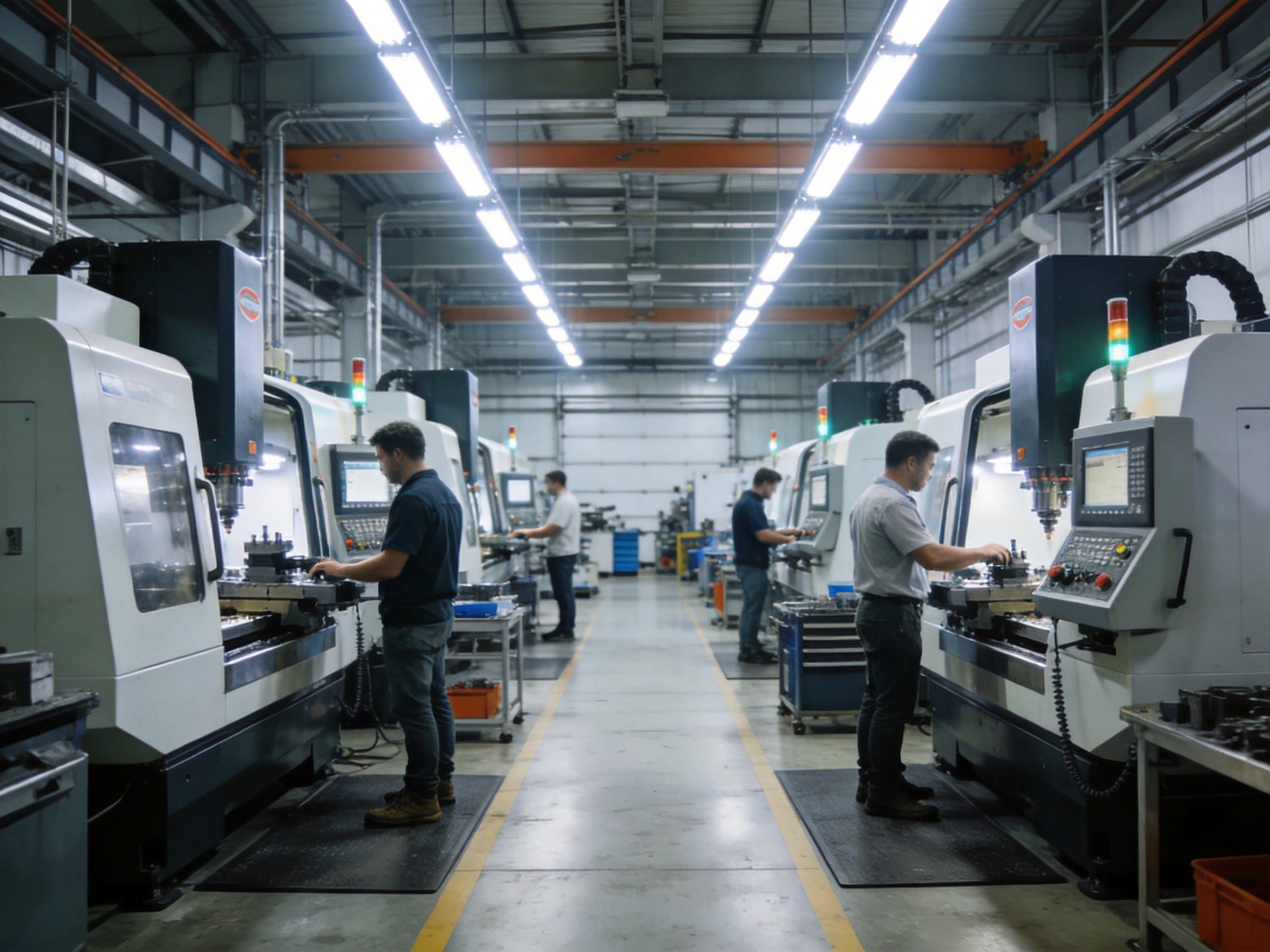
The industrial sector is undergoing a profound transformation, and lighting is at the forefront of this revolution. AI-powered industrial lighting systems are no longer just about visibility—they’re becoming the nervous system of modern manufacturing facilities, enabling unprecedented levels of efficiency, safety, and data-driven decision making.
The Evolution of Industrial Lighting
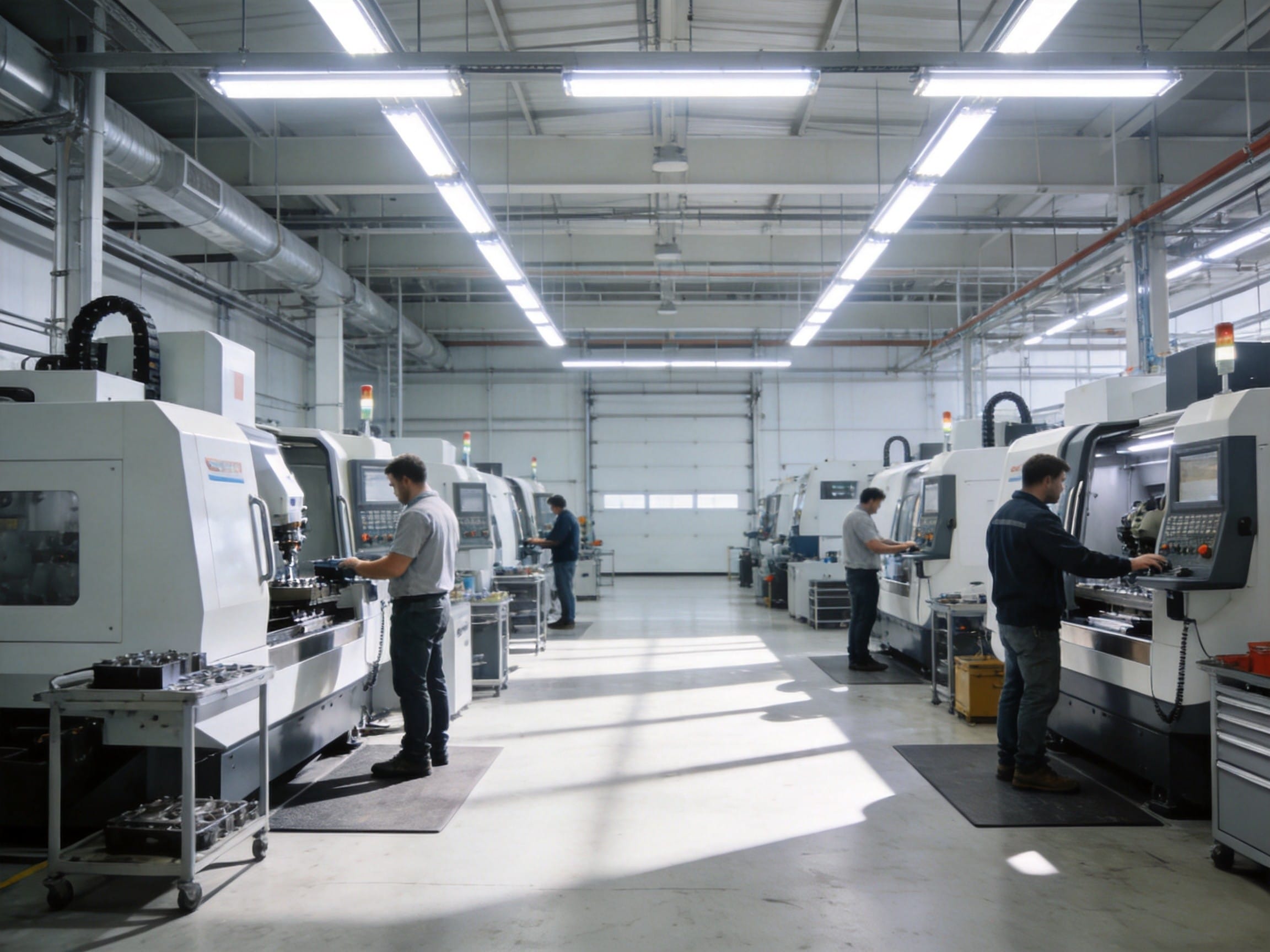
Traditional industrial lighting was simple: provide enough light for workers to see and perform tasks safely. The introduction of LED technology brought energy efficiency, but today’s AI-powered systems represent a quantum leap forward. Modern industrial lighting integrates sensors, edge computing, and machine learning algorithms to create intelligent environments that adapt in real-time.
According to the U.S. Department of Energy, industrial facilities consume approximately 30% of all energy used in commercial buildings, with lighting accounting for a significant portion. AI-optimized lighting systems can reduce this consumption by 40-60% while simultaneously improving operational metrics.
Key Features of AI Industrial Lighting Systems
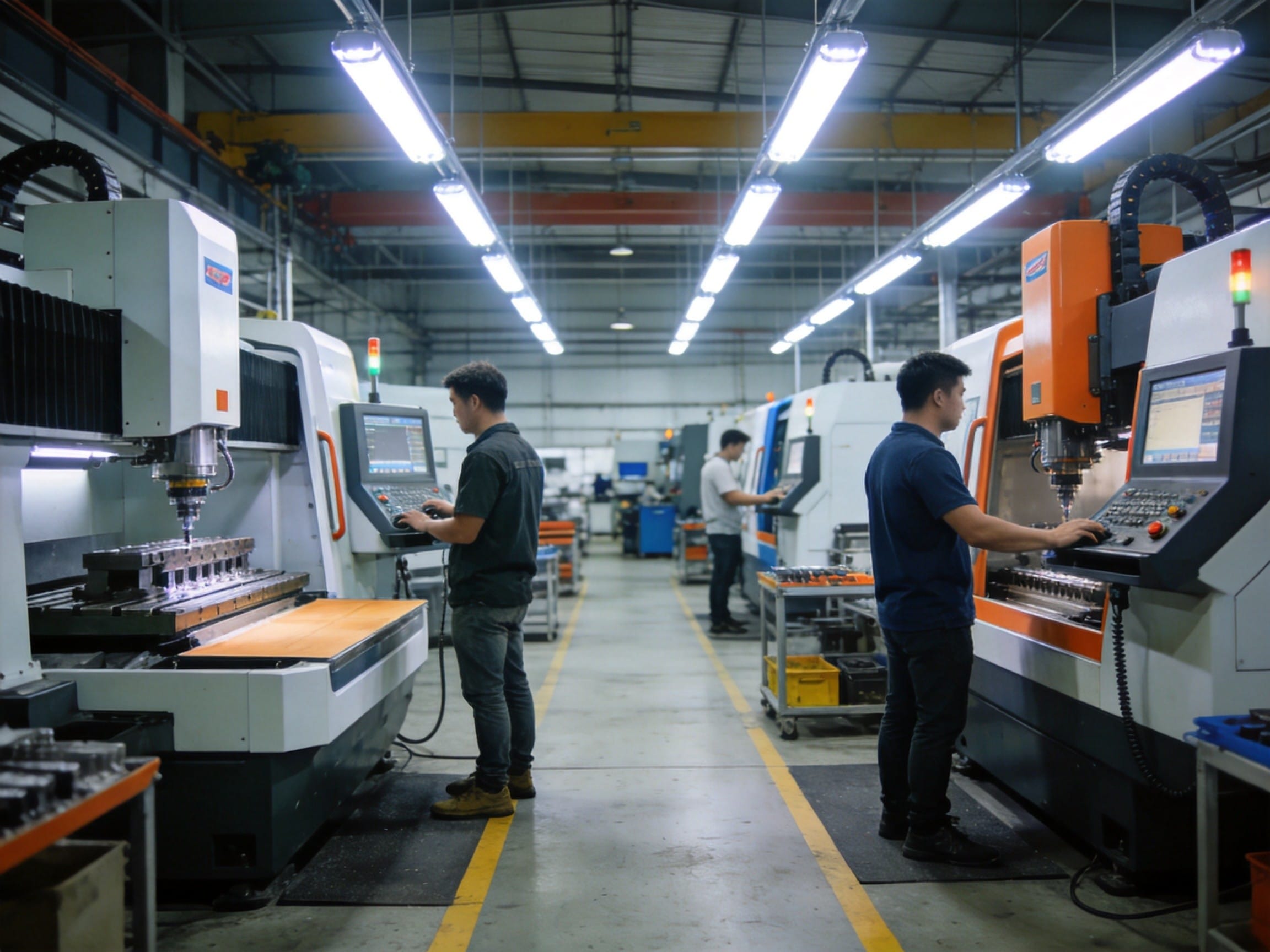
1. Occupancy-Based Adaptive Control
AI systems use millimeter-wave radar sensors andPIR (passive infrared) detectors to accurately distinguish between workers, forklifts, and stationary equipment. Unlike traditional motion sensors that struggle in complex industrial environments, AI-powered systems can:
- Detect presence in specific zones without false triggers from heat sources
- Track movement patterns to optimize lighting zones dynamically
- Learn from usage patterns to predict lighting needs before they occur
2. Task-Based Illuminance Adjustment
Different tasks require different lighting levels. AI systems automatically adjust illuminance based on the specific task being performed in each zone:
| Task Type | Standard Illuminance | AI-Optimized Range |
|———–|———————|——————-|
| Rough assembly | 200-300 lux | 200-400 lux |
| Medium assembly | 500 lux | 400-600 lux |
| Fine assembly | 1000 lux | 800-1200 lux |
| Quality inspection | 1500+ lux | 1000-2000 lux |
3. Predictive Maintenance
One of the most valuable features of AI industrial lighting is predictive maintenance. By continuously monitoring LED driver performance, thermal characteristics, and optical output degradation, AI systems can:
- Predict LED failure 2-4 weeks in advance
- Schedule maintenance during non-production hours
- Track individual luminaire performance across the facility
- Generate maintenance reports and cost projections
Implementation Considerations for Industrial Facilities
Retrofit vs. New Construction
For existing facilities, retrofitting with AI lighting requires careful planning:
1. Existing luminaire compatibility: Many AI systems can work with existing LED fixtures by replacing drivers and adding smart modules
2. Wiring infrastructure: Power over Ethernet (PoE) options eliminate the need for dedicated lighting circuits
3. Network requirements: Robust Wi-Fi 6 or Ethernet connectivity is essential for reliable operation
Integration with Building Management Systems
Modern industrial facilities operate complex Building Management Systems (BMS). AI lighting should integrate seamlessly with:
- HVAC systems (coordinate lighting and cooling needs)
- Fire alarm systems (emergency lighting integration)
- Security systems (access control integration)
- Production scheduling systems (sync lighting with production shifts)
Certification Requirements
Industrial lighting systems must meet strict certification standards:
- IP ratings: Minimum IP65 for dusty environments, IP67 for wet areas
- IK ratings: IK08 or higher for impact resistance
- UL/CE compliance: Essential for North American and European markets
- CEC Title 24: Required for California installations
ROI Analysis: Making the Business Case
Energy Savings
A typical 100,000 sq ft warehouse implementing AI lighting can expect:
- 50-60% reduction in lighting energy consumption
- Additional 10-15% savings from HVAC coordination
- Demand response participation credits where available
Productivity Improvements
Lighting directly impacts worker performance:
- 23% reduction in errors in precision assembly tasks
- 18% improvement in task completion times
- 12% reduction in accident rates in well-lit zones
Maintenance Cost Reduction
Predictive maintenance delivers tangible benefits:
- 70% reduction in unplanned lighting failures
- 40% decrease in maintenance labor costs
- Extended luminaire lifespan (up to 100,000 hours with AI optimization)
Case Study: Automotive Parts Manufacturing Facility
A tier-1 automotive supplier in Michigan implemented AI industrial lighting across 450,000 sq ft of manufacturing space. Results after 18 months:
- Annual energy savings: $287,000 (58% reduction)
- Quality defect reduction: 34% decrease in assembly errors
- Maintenance costs: Down from $180,000 to $62,000 annually
- Payback period: 2.3 years
The Future of Industrial AI Lighting
Edge AI Processing
Next-generation systems will feature enhanced edge computing capabilities, enabling:
- Real-time video analytics for quality control
- Worker safety monitoring without cloud dependency
- Sub-millisecond response times for emergency lighting
Digital Twin Integration
AI lighting systems will become integral components of facility digital twins, enabling:
- Simulation of lighting changes before implementation
- Continuous optimization based on production data
- Integration with robotic and autonomous systems
Sustainability Metrics
As ESG reporting becomes mandatory, AI lighting will track and report:
- Carbon footprint reduction
- Energy efficiency improvements
- Worker wellness metrics
Conclusion
AI-powered industrial lighting represents a fundamental shift in how facilities approach illumination. Beyond energy savings, these systems deliver measurable improvements in productivity, safety, and operational efficiency. For facility managers and operations executives evaluating their technology investments, AI industrial lighting offers one of the fastest and most reliable paths to operational excellence.
The question is no longer whether to implement AI lighting—it’s how quickly you can deploy it to stay competitive in an increasingly demanding manufacturing landscape.
—
About CAIMETA®
CAIMETA® is pioneering AI-powered lighting solutions for industrial and commercial applications worldwide. Our intelligent systems combine cutting-edge LED technology with advanced AI algorithms to deliver measurable results across diverse environments. Learn more about our [industrial lighting solutions](https://caimeta.net/ai-industrial-solutions) and discover how AIcolor, AIscene, and AIspace technologies can transform your facility operations.
—
Published: May 26, 2026