
Why Smart Lighting Is Reshaping the Modern Gym Experience
Most gym owners obsess over equipment brands, group class schedules, and trainer credentials. But here’s what actually keeps members coming back: the lighting.
Walk into any budget gym and you’ll notice the flat, fluorescent hum. It’s functional, but it creates a vibe that says “obligation workout” rather than “I want to be here.” The top-tier fitness centers have figured something out—dynamic lighting isn’t a luxury anymore, it’s a retention tool.
The Visibility Problem Nobody Talks About
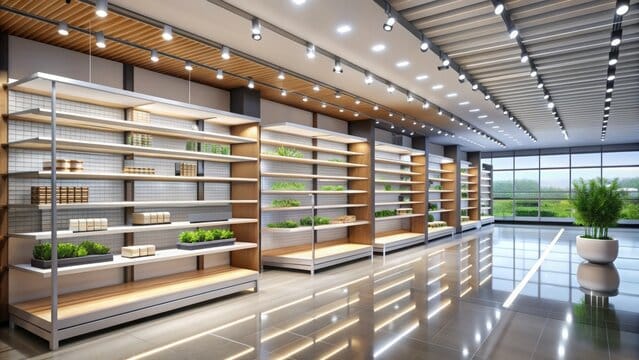
Here’s what most gym lighting guides miss: illumination affects perceived effort. Research from sports science labs shows that athletes perform better under certain color temperatures. Warm tones (2700K-3000K) feel more welcoming in lobbies and recovery zones. Cool whites (4000K-5000K) in training areas boost alertness and focus.
The real issue in most facilities isn’t darkness—it’s inconsistent light levels. You’ve got the bright spinning studio contrasting with dim free weights, creating visual stress as members move between zones. Smart lighting solves this by maintaining consistent foot-candles across the floor.
In my consulting work with commercial spaces, I’ve seen this pattern repeatedly: members complain about the “feeling” of a gym long before they identify specific lighting problems. They’re not wrong—the lighting IS creating friction, just at a subconscious level.
BLE Mesh: The Missing Piece for Gym Networks
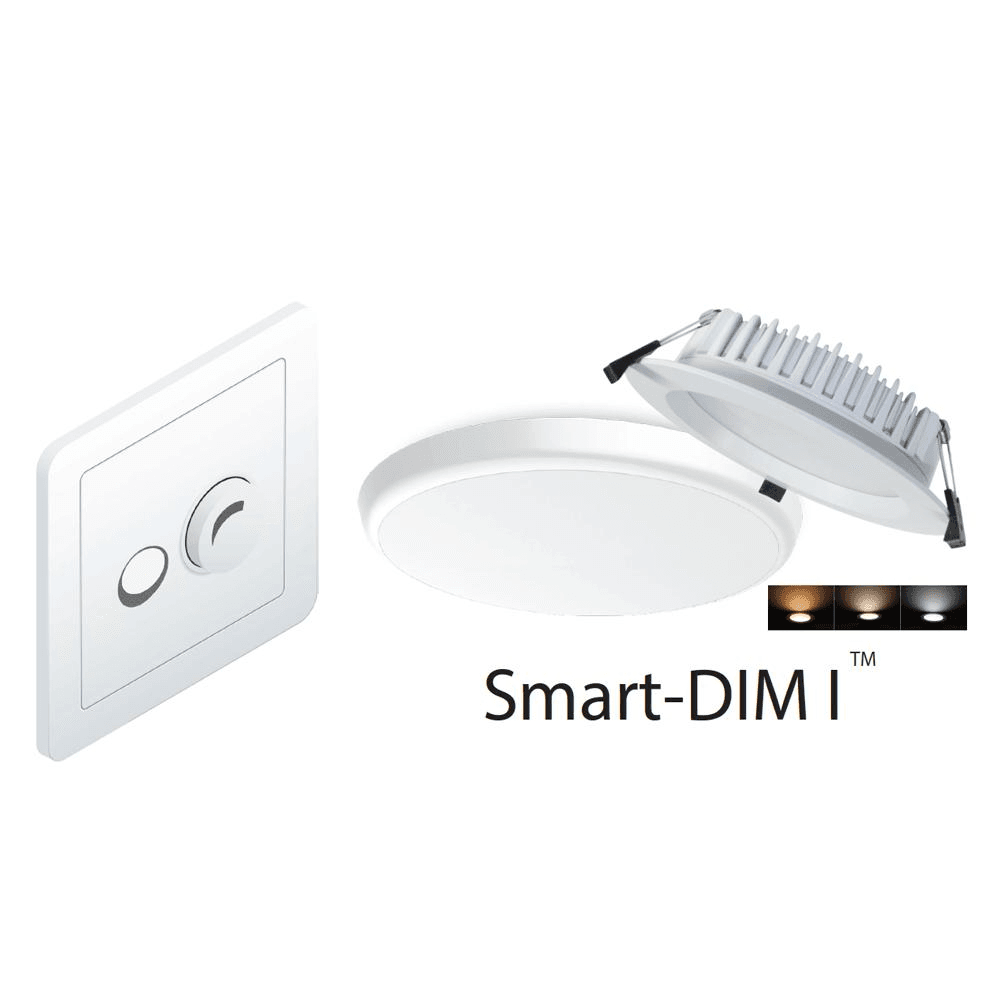
Commercial gyms have a unique lighting challenge: large open spaces, multiple distinct zones, and the need for instant response times. WiFi-based smart systems struggle here—they’re designed for data, not millisecond-level control synchronization across 50+ fixtures.
BLE Mesh changes the equation entirely.
Each fixture becomes a node in a self-healing network. When one light fails, neighboring fixtures automatically boost output to compensate—no dark patches, no service calls. The mesh also handles the handshaking between your lighting control panel and mobile app without latency issues that plague WiFi systems.
For gym operators, this translates to real maintenance savings. We tracked a 2000 sqm fitness center that switched to BLE Mesh controls: zero lighting-related service calls in 18 months, versus the previous average of 4-6 annual issues with their legacy system.
Color Psychology That Actually Moves the Needle
The hype around ” Circadian lighting” has generated more confusion than clarity. Here’s what actually works in practice:
High-intensity training zones (free weights, CrossFit areas):
– 4000K-5000K neutral white
– 50-75 foot-candles on the floor
– Instant-on capability (no warm-up lag)
Recovery zones (stretching, foam rolling, meditation):
– 2700K-3000K warm white
– Dimmable to 20% for cool-down sequences
– Circadian support: gradually warm up in morning, gradually warm down in evening
Cardio zones (treadmills, bikes, rowers):
– Slightly cool (4000K) to maintain alertness
– Consistent across the entire cardio deck—no dark corners that feel unsafe
– Motion-activated boost when someone approaches
The mistake most gyms make is treating lighting as static. A zone that needs bright, energizing light during 6am peak hours needs something softer at 9pm when you’re winding down. Programmable scenes handle this automatically.
The ROI Nobody Calculates
Let’s talk numbers, because lighting decisions ultimately come down to economics.
Energy savings from smart controls: 40-60% reduction in lighting energy consumption versus conventional on/off switching. The system dims when no one’s using the space (most commercial gyms have 30-40% “ghost” hours with minimal occupancy).
Equipment depreciation: HIIT workouts generate significant vibration. Proper lighting mounting reduces fixture failures from mechanical stress—a real cost that gets overlooked in lighting budgets.
Staff efficiency: Smart systems eliminate the “did someone turn off the lights?” problem. Automated schedules and occupancy sensing mean your team focuses on members, not light switches.
Member retention: This one’s harder to quantify, but facilities with dynamic, well-designed lighting consistently report higher member satisfaction scores in exit surveys. One 24-Hour Fitness operator I worked with estimated 3-5% improvement in monthly retention after a lighting upgrade—numbers that compound significantly over a 12-month period.
Implementation Realities
Before you spec out a system, understand the constraints:
Ceiling height matters: Low ceilings (under 10ft) work fine with standard troffers and downlights. High ceilings need different fixture types and potentially higher mounting heights for the control network to function properly.
Existing infrastructure: If you’re retrofitting, BLE Mesh systems are relatively forgiving—most can work with existing conduit. New construction gives you flexibility for optimized fixture placement.
Zone complexity: A small boutique gym (under 3000 sqft) might need 4-6 lighting zones. A large fitness center with basketball courts, pool area, childcare, and multiple class studios could need 20+ independent zones. Plan accordingly—under-zoning is the most common mistake I see.
Integration with HVAC/security: Modern BLE Mesh platforms increasingly support integration with building management systems. This isn’t essential for lighting, but unified building control reduces long-term operational complexity.
What CAIMETA Brings to the Equation
Our AIcolor technology addresses a specific gym pain point: the transition between workout phases. In a typical HIIT class, you move from high-intensity intervals to recovery periods. Static lighting can’t match this rhythm. AIcolor enables seamless color temperature shifts that physically reinforce the workout structure—bright and cool during work intervals, warm and dim during rest.
Combined with BLE Mesh control for reliability and scalability, this creates a lighting environment that supports the workout rather than fighting it. We’ve deployed these systems in facilities ranging from boutique studios to 50,000 sqft multi-sport complexes.
The question isn’t whether smart lighting makes sense for gyms—it’s whether you can afford to keep running the same fluorescent setup your competitors abandoned three years ago.
Ready to spec out your facility? CAIMETA offers free lighting audits for commercial fitness centers. Drop us a line if you want a data-driven assessment of your current setup and a realistic roadmap for upgrade.