
Convenience Store Lighting in 2026: Why Static Fixtures Are Killing Your Sales
The convenience store industry runs on razor-thin margins. Every percentage point of sales conversion matters. Yet most c-store operators focus their upgrade budgets on refrigeration, POS systems, and inventory management—while the lighting that literally determines whether customers enter your store gets ignored.
This is a mistake. Lighting directly influences purchase behavior in convenience retail. Not in some theoretical, “studies show” way—I mean measurable impacts on basket size, dwell time, and which products catch attention first.
The 3-Second Window You Can’t Afford to Waste
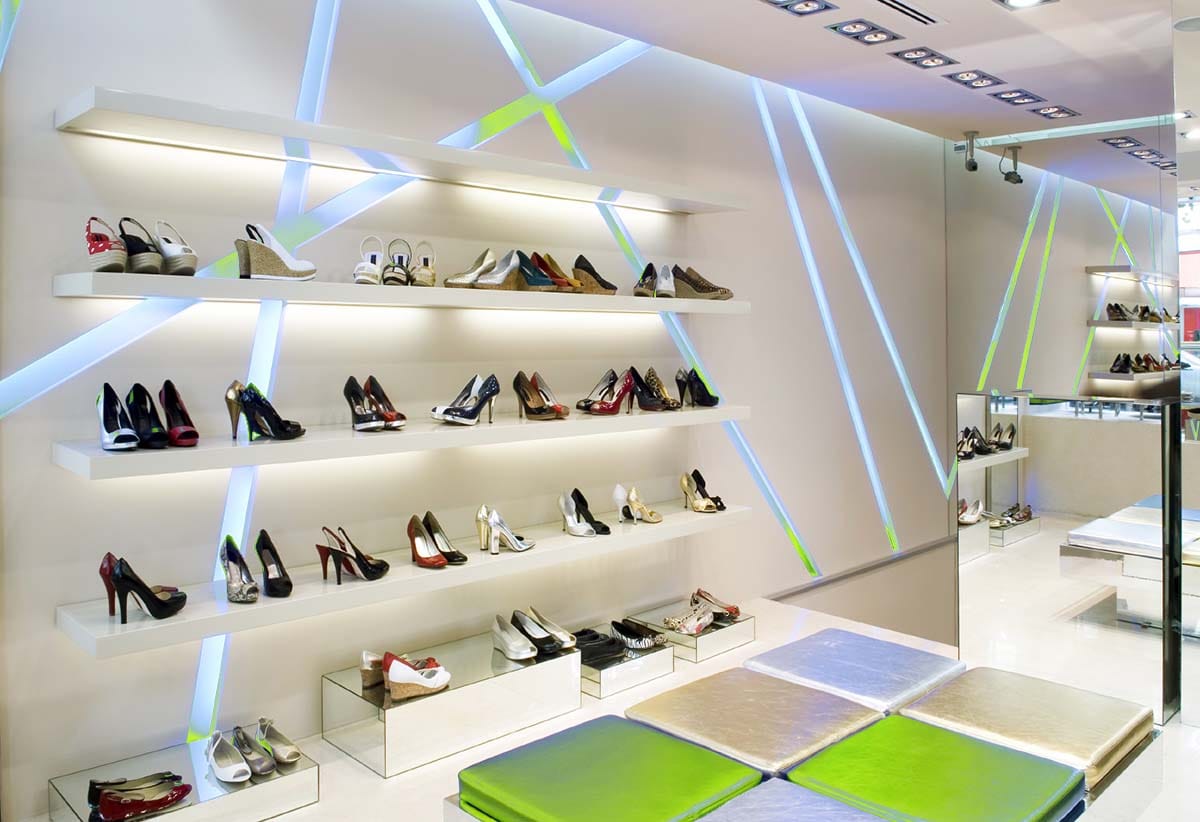
Here’s the reality of c-store shopping behavior: customers form a first impression within 2-3 seconds of approaching the entrance. This split-second judgment determines whether they walk in with a $5 purchase in mind and leave spending $25, or whether they keep driving.
Your storefront lighting is doing one of two things:
1. Creating a welcoming, professional environment that says “this place is worth my time”
2. Signaling “cheap operation, probably stale inventory, I’ll take my chances somewhere else”
The difference often comes down to whether your canopy lighting creates shadows, whether your entrance lighting feels inviting at 11pm, and whether the product displays near the door catch the eye without creating glare.
I’ve walked through hundreds of convenience stores across North America and Europe. The stores with strong sales performance almost universally have one thing in common: intentional, layered lighting that guides the eye toward high-margin products.
Why Traditional Lighting Fails C-Stores
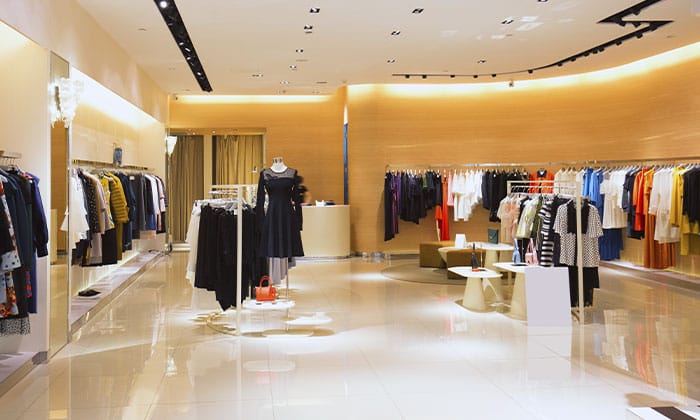
Standard fluorescent or metal halide fixtures work fine for warehouse-style retail. They don’t work for convenience stores for several reasons:
Inconsistent color rendering: Most conventional lighting scores poorly on CRI (Color Rendering Index). This matters enormously for fresh food—under low-CRI lights, produce looks wilted, prepared foods look unappetizing, and coffee looks bitter. Your hot dog roller looks like a crime scene at 8pm because the lighting has shifted to that sickly orange-yellow that makes everything look stale.
Poor dimming response: C-stores need to be bright during morning rush (6-10am) and softer in late evening (10pm-6am) when the harsh overhead glare feels aggressive to tired customers. Most conventional systems either stay at full blast or require expensive, slow-reacting dimming systems.
No zoning capability: The back wall with your high-margin alcohol products needs different lighting than the lottery terminal area, which needs different lighting than the coolers. One-size-fits-all lighting ignores this fundamental retail principle.
High heat output: Conventional lighting generates significant heat. In a small c-store, this affects HVAC costs and creates discomfort near food service areas. LED systems run cool, reducing the thermal load your air conditioning has to fight.
The LED Retrofit Math That Actually Works
When I evaluate lighting upgrades for c-store clients, I run the numbers on three factors:
Energy consumption reduction: LED fixtures typically use 50-70% less energy than fluorescent or metal halide equivalents. For a typical 3000 sqft c-store running 50-60 fixtures, this translates to $150-300 monthly savings on energy costs alone.
Maintenance elimination: Fluorescent tubes burn out every 12-18 months in high-traffic locations. With 24/7 operations, you’re either paying for difficult after-hours maintenance or living with burned-out fixtures. Quality LED fixtures last 50,000+ hours—typically 5-7 years before replacement is needed.
Food visual appeal: This one doesn’t show up on utility bills, but it shows up in margins. Stores with optimized LED lighting (specifically 4000K-5000K with high CRI) report 8-15% improvement in fresh food sales after lighting upgrades. That coffee and hot food section often represents 30-40% of gross profit—improving its visual appeal by 10% moves the needle significantly.
Implementing Smart Controls Without Overcomplicating Things
Here’s where c-store operators get nervous: “smart lighting” sounds complex, expensive, and potentially unreliable. Let me demystify this.
Basic smart controls (scheduling, daylight harvesting) don’t require any specialized infrastructure. Most modern LED fixtures accept 0-10V dimming signals that work with simple wall-mounted controllers. You set the schedule once, and the system runs itself.
BLE Mesh systems add another layer: each fixture communicates with its neighbors, creating a self-monitoring network. If one fixture fails, you get an alert. If ambient light changes (cloudy day versus bright noon), the system adjusts automatically. For c-stores with multiple shift managers and limited maintenance staff, this self-diagnosing capability reduces the “how long has that fixture been out?” problem.
Integration considerations: Your POS system, security cameras, and door sensors likely all have network connectivity. Some smart lighting platforms can integrate with these systems—dimming lights when the store is closed, boosting certain zones when traffic sensors detect a customer, coordinating with refrigeration alarms. Start simple; add integration complexity only when you’ve validated the basic system works.
The Nighttime Opportunity Most Stores Miss
C-stores do 35-45% of their business after 8pm. Yet most stores are lit for daytime operations—bright, even lighting that works fine at noon but feels harsh and institutional at midnight.
The stores getting this right are doing something different:
Warm welcome lighting near the entrance (2700K-3000K): Creates a sense of comfort and safety. Think of the difference between a hospital corridor and a boutique hotel lobby—that’s the shift you want at your entrance after dark.
Task lighting for the counter area: Keep this brighter (4000K+) for the cashier—your staff needs to see clearly, read IDs, count change accurately. But keep it focused only on the counter zone, not washing over the entire store.
Accent lighting for impulse zones: Your candy, beverage, and snack displays near checkout should be highlighted—slightly brighter than surrounding areas, drawing the eye without creating glare. These are your highest-margin real estate; light them accordingly.
Security considerations: Motion-activated perimeter lighting serves dual purposes—energy savings when no one’s around and enhanced security visibility when someone approaches. This doesn’t need to be smart; basic motion sensors integrated with LED fixtures work fine.
What Actually Works: A Practical Checklist
After evaluating dozens of c-store lighting installations, here’s what separates successful projects from expensive disappointments:
Fixture selection matters more than brand: The fixture housing, thermal management, and driver quality matter far more than the LED chip manufacturer. Cheap fixtures fail early; quality fixtures last.
CRI 90+ for food areas: Insist on fixtures with CRI 90 or higher for any area displaying fresh food, coffee, or beverages. The visual difference is immediately obvious to customers.
Consistent color temperature across zones: Mixing 3000K and 5000K fixtures within the same visual field creates uncomfortable discord. Pick a primary temperature and stick to it, using accent lighting strategically rather than mixing base temperatures.
Test before full rollout: Replace fixtures in one zone (entrance, or food service area), live with it for a week, get feedback from staff and customers. Then expand based on real feedback rather than spec sheet promises.
Plan for 4000K as your base: For most c-stores, 4000K neutral white works well across most applications. You can add warmer (2700K-3000K) accent lighting for atmosphere without creating the yellow-cast that affects product appearance.
The CAIMETA Approach
Our smart lighting systems are designed specifically for retail environments where margins matter and reliability is non-negotiable. The BLE Mesh architecture eliminates single points of failure—critical for 24/7 operations where you can’t afford to shut down for maintenance.
CAIMETA’s AIcolor technology enables automatic scene transitions: bright and energizing during morning peak hours, softer and more comfortable during evening shifts. The system adapts to ambient light conditions without manual intervention, ensuring consistent customer experience whether it’s noon or midnight.
We’re not selling you the most expensive lighting system. We’re helping you build a smart lighting infrastructure that pays for itself through energy savings, reduced maintenance, and measurable sales improvement—and actually works when you need it.
Your customers are making a split-second decision at your entrance. Make sure your lighting is working for you, not against you.