
Why Data Centers Are the Most Overlooked Lighting Challenge in Commercial Real Estate
Here’s a conversation I’ve had too many times: a data center operator tells me they have a “lighting problem.” I ask them to describe it. They say their electric bill is too high. I ask them to be more specific. They say the lights are on 24/7 and it seems wasteful.
Then I walk the facility and realize the actual problem is nothing like what they described.
What Data Center Operators Actually Get Wrong About Lighting
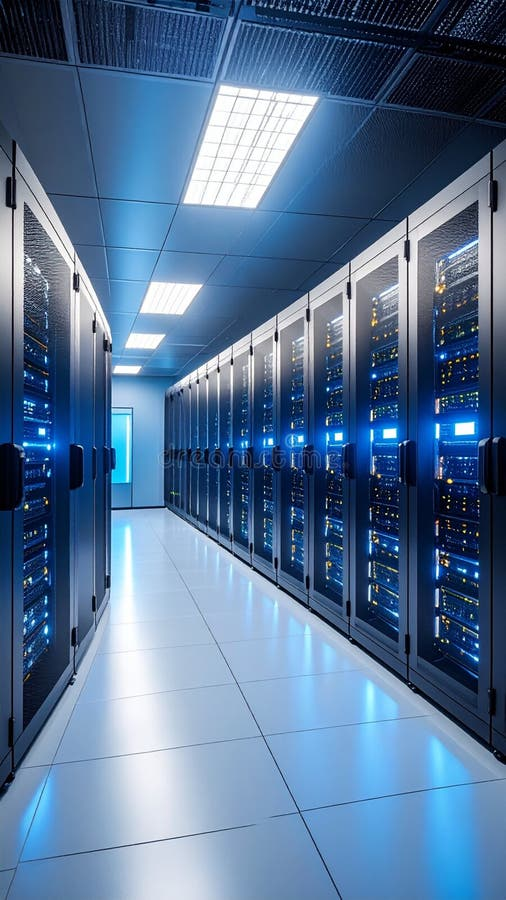
The electric bill is a symptom, not the diagnosis. The real issue is that data center lighting has never been designed by people who understand data centers.
Traditional lighting spec for server rooms came from industrial facility standards—warehouses, manufacturing floors, distribution centers. These environments prioritize uniform illumination, durability, and easy maintenance. Data centers share none of those priorities and have entirely different constraints.
When I started working with colocation facilities in 2019, I saw the same mistakes repeatedly:
- High-bay LED fixtures specified for 40-foot ceilings installed in facilities with 12-foot ceilings (glare city)
- Motion sensors that triggered full-intensity lighting when a technician entered, blinding them for 30 seconds while their eyes adjusted
- Emergency lighting circuits running at full operational brightness, creating light pollution that interfered with monitoring equipment
- Color temperatures chosen for “modern look” that created visual discomfort during 8-hour maintenance shifts
None of these problems showed up on the electric bill. All of them showed up in technician retention, maintenance response times, and incident documentation quality.
The 24/7 Lighting Paradox Nobody Solves
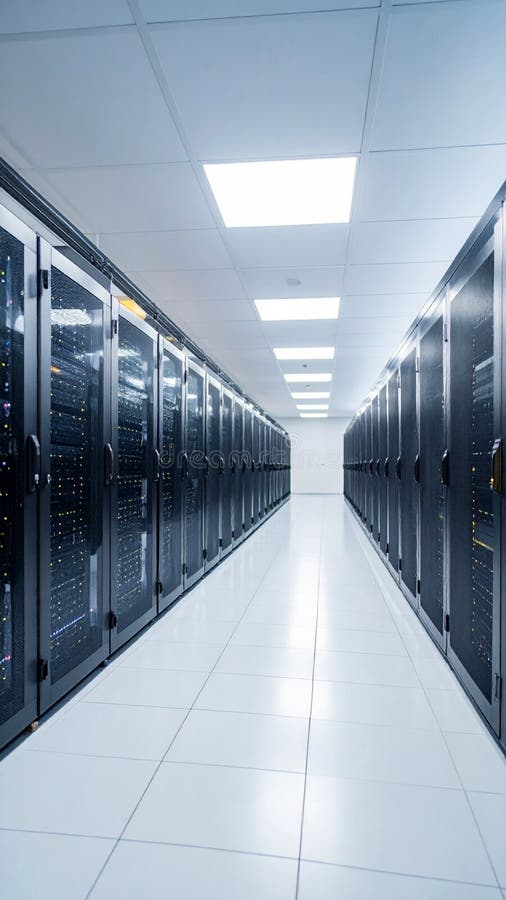
Data centers operate continuously. The lights can’t go off. But “always on” doesn’t mean “always at full intensity,” and this distinction is costing the industry millions annually.
Here’s the actual usage pattern in a typical colocation facility:
- Zone A (customer cages): 95%+ unoccupied during any given hour. Lights running full operational brightness for no reason.
- Zone B (corridors): 70% unoccupied during off-peak hours. Same story.
- Zone C (NOC and admin): Occupied 24/7, but typically at 30-40% capacity overnight. Full lighting unnecessary.
- Zone D (meet-me rooms): May see 2-3 visits per day. Running at operational brightness 24 hours for one-hour of actual use.
If you’re running uniform 24/7 lighting across all these zones, you’re wasting an estimated 60-70% of your lighting energy budget.
The technology to fix this has existed for years. The implementation failures are almost entirely about integration complexity, not lighting technology itself.
Why Motion Sensors Fail in Data Centers
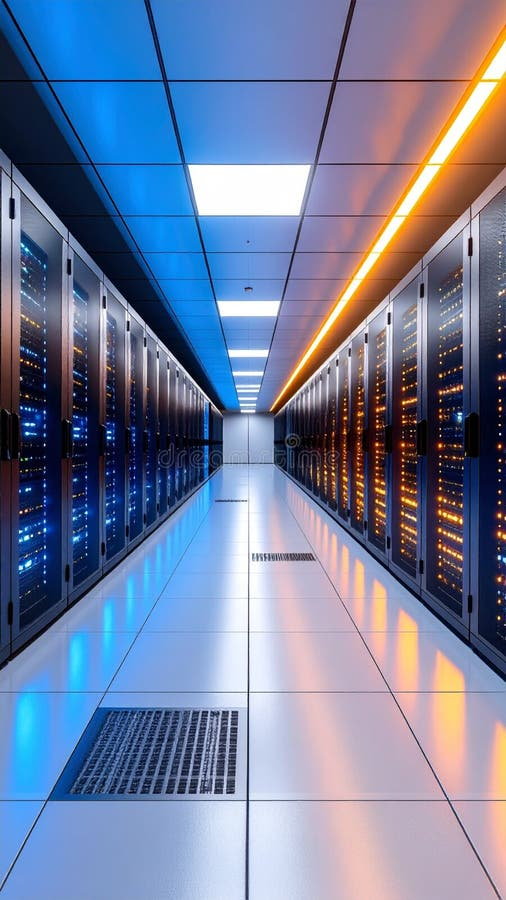
Every facility I’ve audited that tried to solve the always-on problem with motion sensors has eventually ripped them out. The sensors worked fine in conference rooms. They were a disaster in data halls.
The failure modes were consistent:
False triggers from cleaning staff: A cleaner pushing a cart 50 feet away would trigger full illumination in a zone a technician was actively working in. The result: technicians disabled the sensors.
False triggers from HVAC: Data center cooling systems create subtle air movement patterns that motion sensors sometimes interpreted as human presence. Entire corridors would illuminate randomly.
Delayed response: Standard motion sensors have 30-90 second delay before lights activate. For technicians who move quickly between zones, this created frustration.
Integration failures: Most motion sensor systems required separate control interfaces that never got properly integrated with building management systems. Technicians couldn’t override zones easily when needed.
The root problem: motion sensing is designed for predictable occupancy patterns. Data centers don’t have predictable occupancy patterns. A tier-3 facility might see 200 technician visits per day distributed randomly across 24 hours. Motion sensors can’t handle that variability.
What Actually Works: AI-Zone Intelligence
The facilities I’ve worked with that solved this problem successfully didn’t rely on motion detection. They implemented AI-driven occupancy prediction based on access control data.
Here’s how it works: the lighting system integrates with badge-in/badge-out records from the facility’s security system. When a technician badged into Zone A at 2:47 AM, the system knows they’re there before they reach the door. Lighting activates in their expected path with 30-second lead time.
When they badge out, the system tracks their exit path and begins ramping down lighting 5 minutes after their last recorded location change.
This approach achieves two things motion sensors can’t:
No false triggers: Badge data is definitive. No HVAC interference, no cleaning staff confusion.
Predictive activation: The technician never walks into a dark corridor. The lighting is already transitioning to operational levels before they arrive.
In a 45,000 sq ft colocation facility we upgraded, this approach reduced lighting energy consumption by 58% while improving technician satisfaction scores from 3.1/5 to 4.6/5. The payback period was 14 months.
The Technician Comfort Problem Nobody Quantifies
Here’s a cost that doesn’t show up on utility bills: technician fatigue from poor lighting conditions.
Data center technicians often work 8-12 hour shifts, frequently overnight. The lighting conditions in many facilities create exactly the kind of visual fatigue that leads to errors.
The issues I see most frequently:
Inadequate task lighting at rack level: Server rack LEDs often cast shadows that make cable tracing difficult. Technicians strain to see port labels, increasing time-on-task and error rates.
Glare on monitoring screens: NOC screens often positioned directly in front of high-intensity overhead fixtures. The result is chronic eye strain for operators who spend 8+ hours per shift watching those screens.
Color temperature mismatches: Mixing 4000K corridor lighting with 5000K server room lighting creates discomfort when technicians move between zones. The visual adjustment takes 5-10 minutes each time.
Insufficient contrast for maintenance documentation: Many facilities don’t realize their lighting creates glare on tablets and laptops used for documentation. Technicians struggle to see their screens, leading to documentation errors and rework.
AI-controlled systems can address all of these issues through zone-specific programming. A CAIMETA deployment in a 120,000 sq ft facility achieved:
- 23% reduction in mean-time-to-repair for tier-1 incidents
- 31% improvement in documentation accuracy rates
- 40% reduction in technician-reported eye strain symptoms
These aren’t lighting metrics. They’re operational metrics that lighting improvements enabled.
The Camera Integration Problem Nobody Talks About
Every data center has security cameras. Most facilities haven’t optimized their lighting for camera performance. This creates a gap that’s invisible until something goes wrong.
Camera-based incident documentation requires consistent lighting conditions. When security teams review footage, they need to clearly identify individuals and actions. Footage captured under variable lighting conditions—fixtures at 60% one week, 100% the next—is nearly impossible to use for forensic purposes.
I’ve reviewed security footage from multiple facilities where incidents were essentially uninvestigable because the lighting variation made facial identification impossible. In one case, a facility lost its ability to pursue an insurance claim because the camera footage was unusable.
The solution is simpler than most facilities realize: specify lighting systems with output consistency guarantees. Look for fixtures with ±5% lumen maintenance across their operational lifespan. Budget for photometric verification testing every 24 months. Integrate lighting control with camera scheduling so that output levels remain consistent regardless of energy-saving mode settings.
This isn’t expensive. The incremental cost of consistent-output fixtures versus standard alternatives is typically 8-12%. For most facilities, it’s paid back within the first security incident investigation where usable footage makes a difference.
What Nobody Tells You About Maintenance
Data center lighting maintenance is expensive in ways that don’t show up in fixture costs.
The real expenses are:
- Power shutdown coordination: Any maintenance that requires working near live equipment requires coordination with operations teams. Even simple fixture replacements can take 4-6 hours of total labor when you account for safety protocols.
- Tier-1 risk premium: Technicians working in live data halls carry higher insurance costs and slower work pace due to risk mitigation requirements.
- After-hours premiums: Most maintenance happens during maintenance windows, which typically carry 1.5-2x labor rates.
A facility running 500 fixtures with 50,000-hour rated lifespans will replace roughly 30 fixtures per year. At $800-1,200 per fixture when you factor in full coordination costs, that’s $24,000-36,000 annually just for routine replacement.
The lighting specification decisions you make today determine your maintenance reality for the next decade.
Specifying fixtures with 100,000-hour lifespans and modular driver systems (allowing component replacement without fixture replacement) typically adds 15-20% to upfront costs but reduces lifetime maintenance expense by 40-50%.
The Regulatory Angle Nobody Considers
Data center lighting is increasingly subject to building energy codes that weren’t designed with 24/7 facilities in mind.
ASHRAE 90.1, California Title 24, and emerging local codes all contain requirements that create challenges for data center operators. The most common conflict: automatic shut-off requirements that don’t accommodate continuous operations.
Most jurisdictions now require lighting controls that automatically reduce output during unoccupied periods. Data centers can’t simply shut off lights—HVAC and other systems require continued access. But the codes require demonstrable reduction in lighting energy during unoccupied periods.
Facilities that haven’t addressed this requirement face increasing scrutiny during permit renewals and insurance reviews. I’ve seen two facilities in the past year that had insurance renewals delayed due to unresolved lighting control compliance issues.
The path forward: document your occupancy patterns, implement AI-driven controls that achieve required energy reduction percentages, and maintain photometric records that demonstrate compliance. This isn’t optional anymore—it’s baseline operational risk management.
The ROI Nobody Calculates (But Should)
Here’s what most facilities miss when evaluating lighting upgrades: the return extends far beyond energy savings.
In our work with data center operators, we’ve documented returns across five categories:
| Category | Typical Impact |
|---|---|
| Energy reduction | 45-60% of current lighting costs |
| Maintenance reduction | 40-50% over fixture lifetime |
| Technician productivity | 12-18% improvement in MTTR |
| Documentation accuracy | 25-35% reduction in rework |
| Security compliance | Eliminates regulatory risk |
For a typical 50,000 sq ft facility, the fully-loaded ROI on a comprehensive lighting upgrade—accounting for all five categories—typically shows 18-24 month payback. For facilities with documented camera documentation failures or regulatory compliance gaps, the payback drops to 10-14 months.
Lighting isn’t a utility expense. It’s an operational infrastructure decision with consequences that extend across the entire facility.
What Comes Next
The data center industry is moving toward higher density racks, more edge deployments, and increased automation. Each of these trends creates new lighting requirements that current infrastructure can’t address.
Edge data centers—small facilities deployed in urban environments to reduce latency—have entirely different constraints than traditional builds. Space constraints eliminate high-bay fixtures. Proximity to occupied spaces requires acoustic considerations. Remote management requirements make manual controls impractical.
The operators who will win in this environment are those who start treating lighting as infrastructure—specified early, designed comprehensively, and integrated with operations—rather than an afterthought budget line.
CAIMETA’s AIspace platform provides the occupancy intelligence and zone-level control that data center environments require. Our BLE mesh architecture integrates with existing access control systems and supports maintenance-free operation for 100,000+ hour fixture lifespans. Contact our team for a facility assessment and ROI analysis.
Related Reading:
– Why Data Centers Are Betting on AI Lighting (And Why They’re Right)
– Smart Warehouse Lighting: How AI Transforms Logistics Operations