
AIspace Technology: Creating Intelligent Full-Space Lighting Environments for Commercial Buildings
In the modern commercial lighting landscape, static illumination is no longer sufficient. Buildings today demand lighting systems that adapt to human presence, natural light levels, and operational needs throughout the day. AIspace technology represents the next evolution in commercial lighting—creating intelligent, responsive environments that enhance occupant comfort while optimizing energy consumption.
What is AIspace Technology?
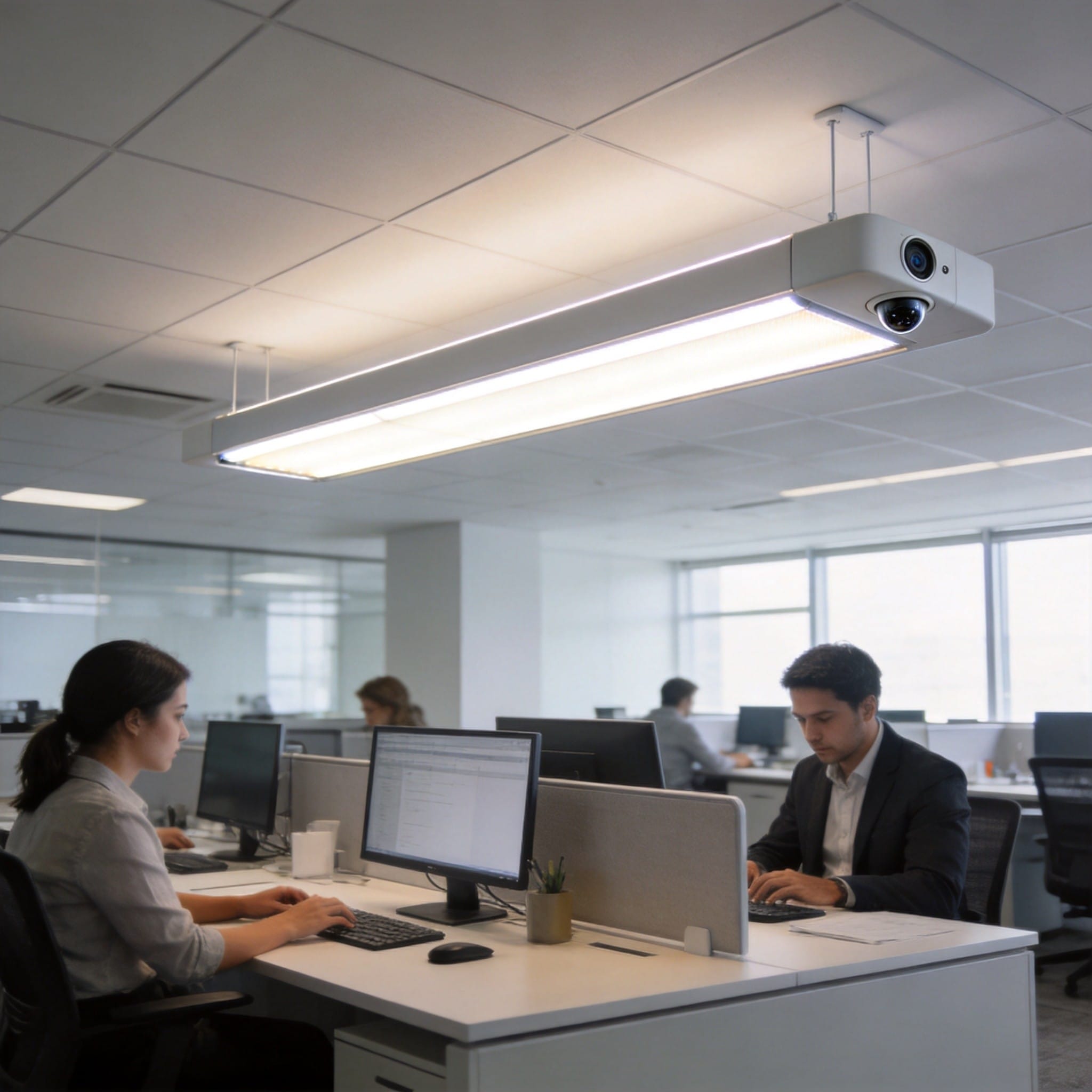
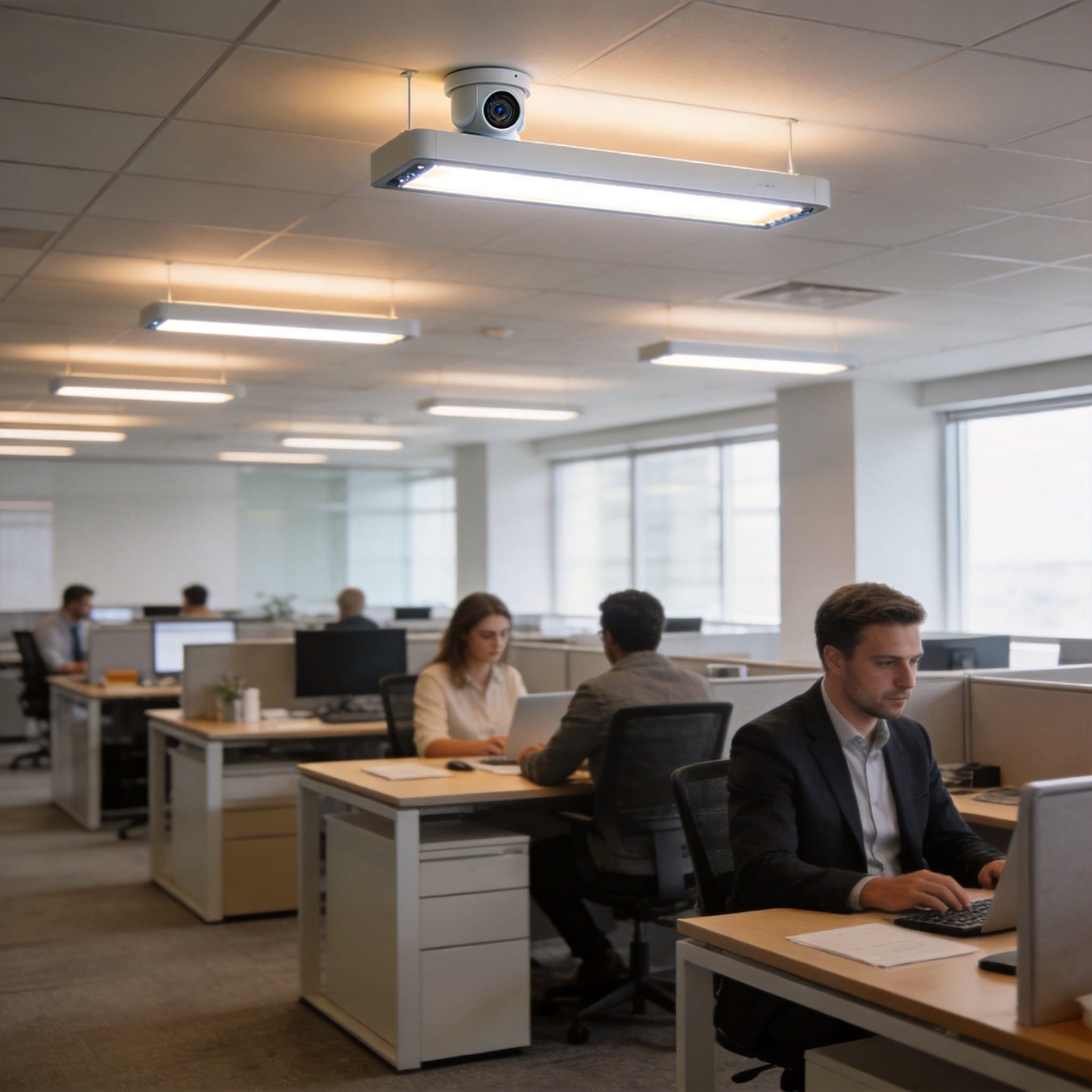
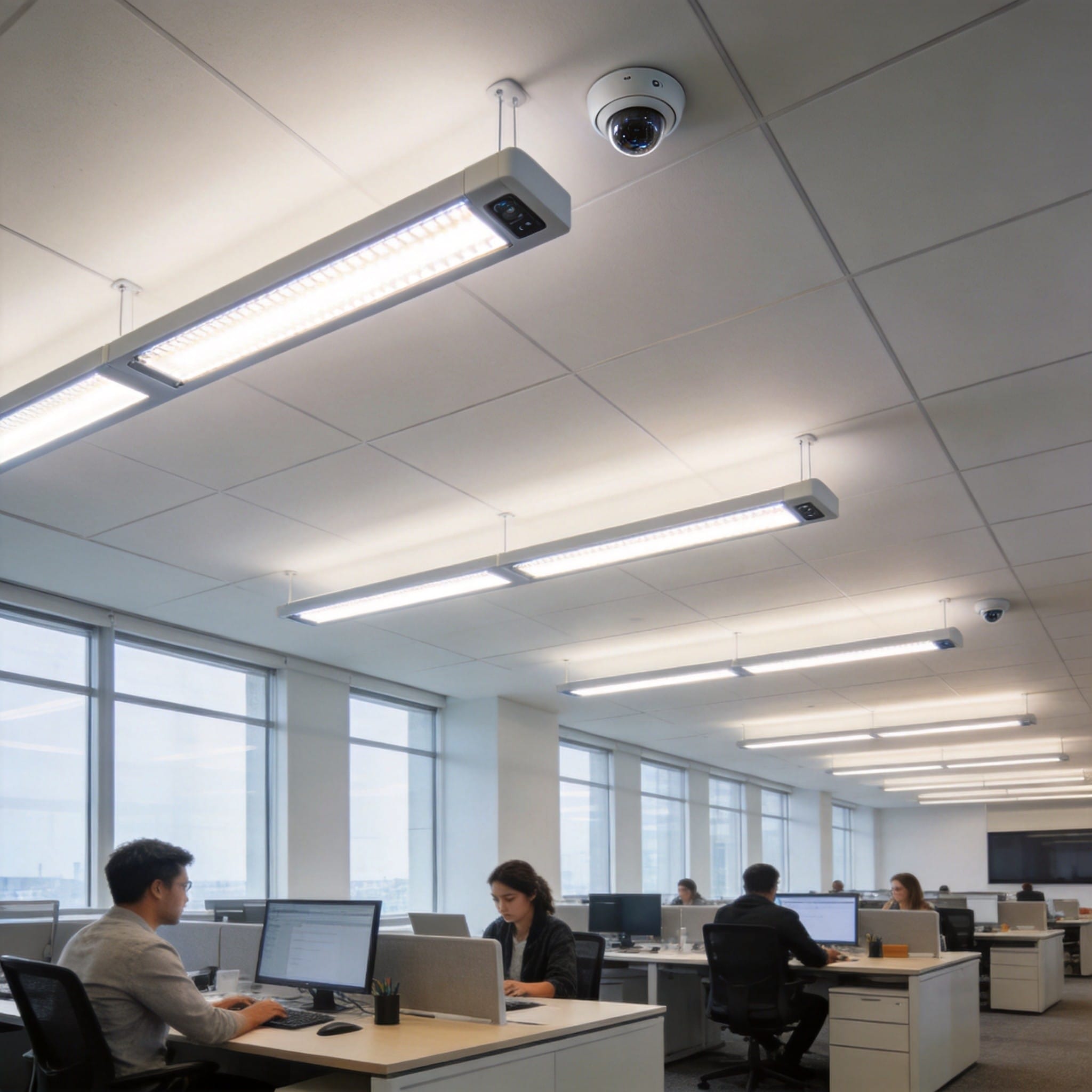
AIspace is an integrated lighting management approach that uses artificial intelligence to coordinate illumination across entire commercial spaces. Unlike traditional zoning systems that divide spaces into fixed segments, AIspace creates a dynamic, responsive lighting network that continuously adjusts based on real-time data inputs.
The system leverages multiple sensor arrays—occupancy detectors, ambient light sensors, and temperature monitors—to build a comprehensive understanding of the space’s current state. This data feeds into AI algorithms that predict lighting needs and execute adjustments proactively, rather than merely reacting to conditions.
Core Capabilities of AIspace
1. Occupancy-Aware Illumination
AIspace systems track human movement patterns throughout the day. In office environments, this means corridors and conference rooms remain in energy-saving standby mode until presence is detected. When occupants enter, the system ramps illumination to optimal levels within 200 milliseconds—fast enough to feel instantaneous.
2. Circadian Rhythm Integration
Modern commercial spaces increasingly recognize the impact of lighting on human wellbeing and productivity. AIspace supports tunable-white lighting that adjusts color temperature throughout the day, mimicking natural daylight patterns. Morning light tends toward 5000K-6500K (cool white) to promote alertness, while evening hours shift toward 2700K-3000K (warm white) to support natural melatonin production.
3. Task-Specific Lighting Presets
Different work activities require different illumination profiles. AIspace automatically detects task transitions—moving from focused desk work to collaborative discussion, for example—and adjusts overhead and task lighting accordingly. The system maintains illuminance levels compliant with EN 12464-1 standards (500 lux for general office tasks, 750 lux for prolonged reading and writing).
How AIspace Differs from Traditional Lighting Controls
Conventional lighting systems operate on predetermined schedules or simple motion detection. They cannot distinguish between a brief pass-through and sustained occupancy. They cannot account for the angle of incoming daylight or the specific visual tasks being performed.
AIspace eliminates these limitations through machine learning. The system develops a spatial model of your building during the first 30 days of operation, learning typical usage patterns, identifying anomalies, and continuously refining its response algorithms.
Comparative Analysis: AIspace vs. Traditional Controls
| Parameter | Traditional System | AIspace Technology |
| Response Type | Reactive | Predictive |
| Occupancy Detection | Binary (on/off) | Multi-level presence detection |
| Energy Optimization | Scheduled dimming | Real-time adaptive optimization |
| Commissioning Time | 2-4 weeks | 30-day learning period |
| Annual Energy Savings | 15-25% | 35-50% |
| Maintenance Requirements | Annual recalibration | Self-correcting |
Implementing AIspace in Retail Environments
Retail spaces present unique challenges for lighting systems. Store layouts change seasonally. Product displays require different accent levels. Fitting rooms need to accurately represent clothing colors while providing flattering illumination.
AIspace addresses these challenges through its spatial mapping capabilities. The system tracks which areas of the store receive natural light at different times, automatically adjusting artificial lighting to maintain consistent visual presentation. When merchandise displays rotate, store managers update the system through a mobile interface, and AIspace recalculates optimal lighting profiles within minutes.
For high-end retailers, AIspace offers “shopping mode” presets. A customer approaching a jewelry display triggers increased accent lighting, highlighting product features while maintaining comfortable ambient levels. When the customer moves to the fitting room, AIspace applies the retailer’s approved color rendering profile, ensuring accurate color representation under changing conditions.
AIspace and Compliance with Lighting Standards
Commercial lighting installations must comply with multiple regulatory frameworks. AIspace simplifies compliance management by continuously monitoring system performance against applicable standards.
Key Standards Supported by AIspace
ENEC Certification Requirements
All AIspace-certified luminaires carry ENEC markings, confirming compliance with European safety standards. The system’s monitoring capabilities ensure that lumen output, color temperature, and color rendering remain within specified tolerances throughout the product lifetime.
BREEAM and LEED Credit Optimization
Sustainable building certifications increasingly reward intelligent lighting systems. AIspace contributes to multiple credit categories:
- Energy consumption reduction
- Occupant comfort optimization
- Commissioning documentation
- Measurement and verification
ETSI EN 303 645 Compliance
For IoT-connected lighting systems, cybersecurity requirements are paramount. AIspace implementations comply with ETSI EN 303 645 provisions for consumer IoT devices, including secure boot processes, software update mechanisms, and data protection protocols.
ROI Considerations for AIspace Deployment
Organizations evaluating AIspace technology often focus on energy savings as the primary return driver. While significant (35-50% reduction in lighting energy consumption is typical), this represents only a portion of the total value proposition.
Quantifiable Benefits
Energy Cost Reduction
Based on European commercial electricity rates averaging €0.20-0.25 per kWh, a 1,000 square meter office installation typically achieves €8,000-15,000 in annual energy savings, depending on operating hours and local utility rates.
Maintenance Cost Optimization
AIspace reduces luminaire operating hours by an average of 40%, directly extending LED lifespan. Fewer on/off cycles and lower thermal stress translate to maintenance cost reductions of 25-35% over system lifetime.
Occupant Productivity Gains
Studies indicate that optimized circadian lighting can improve worker productivity by 3-8% through better alertness, reduced eye strain, and improved mood. For a 100-person office, this translates to measurable business value that frequently exceeds energy savings.
Space Utilization Insights
AIspace systems generate occupancy data that facilities managers can use to optimize space allocation, reduce underutilized areas, and plan future expansion more accurately.
Integration with Building Management Systems
Modern commercial buildings typically operate multiple building systems—HVAC, security, fire safety, and lighting—through centralized building management systems (BMS). AIspace supports standard integration protocols including:
- BACnet/IP for direct BMS connectivity
- Modbus TCP for legacy system integration
- MQTT for cloud-based IoT platforms
- RESTful APIs for custom integration projects
This interoperability ensures that lighting operates in coordination with other building systems. When the fire alarm activates, AIspace executes emergency lighting sequences. When HVAC systems detect high occupancy, lighting adjusts to compensate for additional body heat. When security systems arm the building, AIspace executes a secured state protocol.
Future Developments in AIspace Technology
AIspace development continues to advance on multiple fronts. Current research focuses on:
Advanced Occupancy Prediction
Machine learning models are becoming increasingly sophisticated at predicting occupancy patterns before they occur. Future AIspace systems will pre-position lighting levels based on calendar data, weather forecasts, and historical patterns, achieving true predictive rather than merely adaptive control.
Integration with Computer Vision
Emerging computer vision capabilities will enable AIspace to detect not just presence but activity type—distinguishing between screen work and document review, for example—and adjust task lighting accordingly.
Human-Centric Metrics
The next generation of AIspace systems will incorporate metrics beyond energy and illuminance, measuring visual comfort, circadian impact, and occupant satisfaction to continuously optimize lighting conditions.
Conclusion
AIspace technology represents a fundamental shift in how commercial spaces approach lighting. Rather than treating illumination as a static service, AIspace recognizes lighting as a dynamic system that can continuously optimize for energy efficiency, occupant comfort, and operational effectiveness.
For commercial building operators, lighting represents one of the highest-controllable operating costs. AIspace provides the intelligence needed to transform that cost center into a contributor to organizational performance. As the technology matures and adoption expands, buildings with intelligent lighting systems will increasingly differentiate themselves in terms of occupant satisfaction, operational efficiency, and sustainability credentials.
The question is no longer whether intelligent lighting will become standard in commercial buildings, but how quickly organizations will recognize the competitive advantages that AIspace-enabled environments provide.
—
Focus Keyword: AIspace technology, intelligent lighting, commercial lighting systems, adaptive illumination
Meta Description: Discover how AIspace technology creates intelligent full-space lighting environments for commercial buildings. Learn about occupancy-aware illumination, circadian rhythm integration, and energy optimization with AI-powered lighting systems.
Internal Links:
- Related: https://caimeta.net/aiscene-technology/ (AIscene scene recognition)
- Related: https://caimeta.net/aicolor-technology/ (AIcolor color sensing)
- Product: https://caimeta.net/ai-lighting-system/ (AI Lighting System)
- About: https://caimeta.net/about/ (About CAIMETA)
- About: https://caimeta.net/about/ (About CAIMETA)
- Product: https://caimeta.net/ai-lighting-system/ (AI Lighting System)
- Related: https://caimeta.net/aicolor-technology/ (AIcolor color sensing)
- Related: https://caimeta.net/aiscene-technology/ (AIscene scene recognition)
- RESTful APIs for custom integration projects
- MQTT for cloud-based IoT platforms
- Modbus TCP for legacy system integration
- BACnet/IP for direct BMS connectivity
- Measurement and verification
- Commissioning documentation
- Occupant comfort optimization