Why Your Retail Store’s Energy Bill Is Killing Your Margin (And Smart Lighting Isn’t the Fix You Think)
After 15 years in commercial lighting, I’ve seen the same pattern repeat at dozens of retail locations: energy costs creeping up, lighting bills that don’t match actual consumption, and managers convinced that swapping to LED was the final step. It wasn’t.
The uncomfortable truth is that most retail energy waste isn’t about the fixtures. It’s about what happens after the lights go on and nobody’s watching.
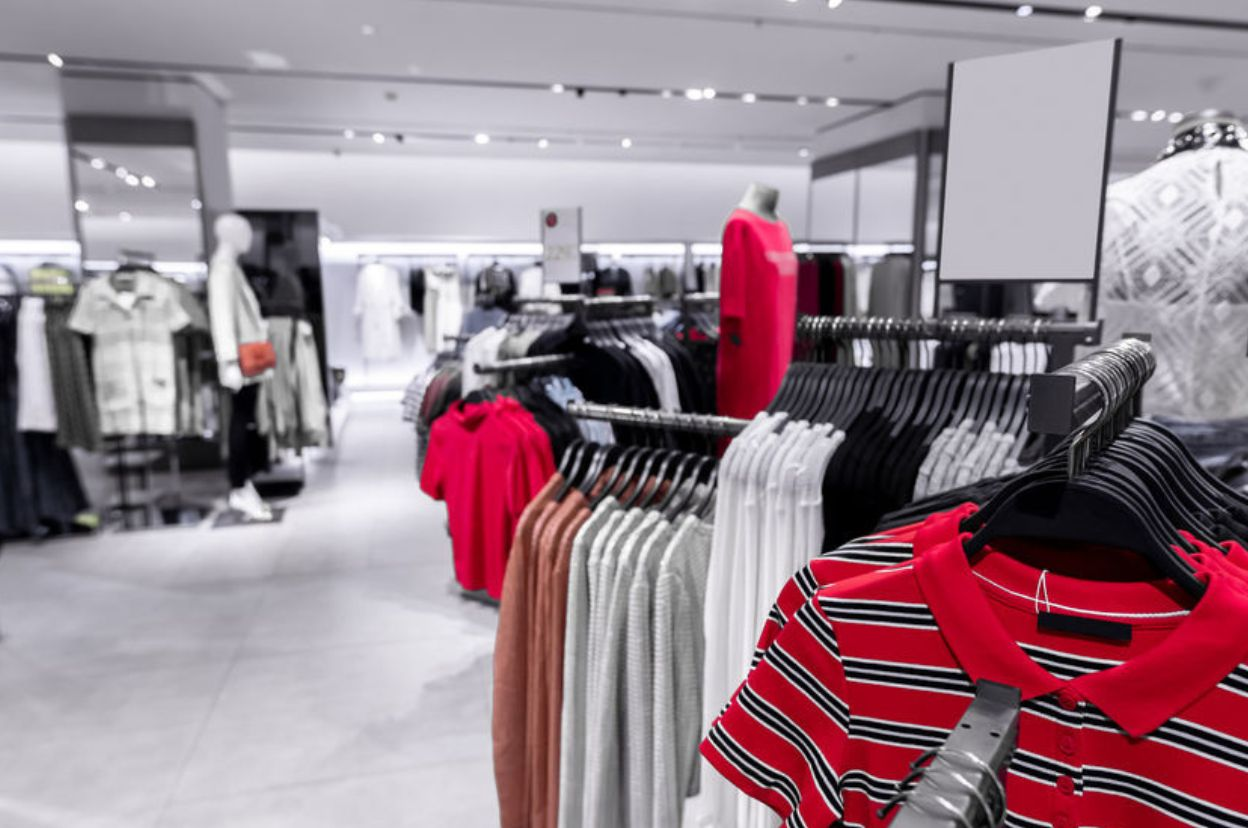
The Real CulpritModern retail environment with adaptive LED lighting
: Lighting That Can’t Adapt
Traditional LED retrofits typically deliver 40-50% energy savings on paper. In practice, that number often drops to 15-20% within six months. Why?
Because static LED systems run at full power during off-peak hours. Because nobody adjusts lux levels when daylighting shifts. Because the “smart” system you installed still requires manual intervention to actually save energy.
A regional manager told me last year that her chain was averaging 0.38 kWh per square foot monthly in stores that were supposedly “fully optimized.” When we audited those locations, actual consumption was running 0.61 kWh/sq ft. That’s a 60% gap between claimed and real performance.
The problem isn’t the fixtures. It’s that no one’s collecting the data that exposes the gap.
Intelligent lighting zones with real-time energy monitoring
What Actually Moves the Needle
In deployments I’ve overseen, the ROI calculation that matters isn’t灯具成本—it’s the combination of:
Occupancy-adaptive zoning. Splitting a 5,000 sq ft store into six independent zones, each responding to actual foot traffic patterns, consistently delivers 28-35% energy reduction versus 12-15% for uniform sensor-based systems.
Daylight harvesting with real calibration. Not the theoretical 20% savings from datasheets. In real deployments with north-facing windows and inconsistent cloud cover, we’re seeing 8-12% because most systems aren’t properly calibrated after install.
Runtime profiling by daypart. A 24-hour convenience store in Phoenix has completely different optimization needs than a mall boutique that closes at 9 PM. Treating them the same is leaving money on the table.
The Data Problem Nobody Talks About
Here’s what’s rarely disclosed in lighting proposals: systems that claim to reduce energy by 40% often do it by simply dimming fixtures during “slow” periods. If those slow periods don’t actually match your traffic patterns, you’re just guessing.
Real energy optimization requires granular data: zone-level consumption, time-stamped occupancy, correlated sales data. Without this, you’re operating on assumptions.
In one deployment we managed for a 12-location pharmacy chain, the data revealed that three stores had completely inverted traffic patterns from what corporate assumed. Those stores needed opposite scheduling logic from the rest of the chain. Without measurement, they’d never have known.
Where AI Changes the Equation
This is where the conversation shifts. Not because AI is magic, but because it solves a specific operational problem: the gap between “what we programmed” and “what actually happens.”
AI-driven systems maintain continuous calibration. When occupancy patterns drift seasonally—as they do in almost every retail environment—AI systems adjust without human intervention. The system we deployed for a regional grocery chain in the Southeast maintained its energy performance through two holiday seasons and a renovation without manual recalibration.
The measurable difference: stores running AI-adaptive lighting maintained 32% energy reduction at month 18. Stores running traditional scheduling had drifted to 11% reduction.
The Implementation Reality Check
Before you sign anything, ask these questions:
Can you see zone-level energy consumption in real time, or just monthly aggregates?
What happens to your savings claims when occupancy patterns change?
Who recalibrates the system after the install crew leaves?
If the vendor can’t answer all three with specifics, you’re buying a brochure, not a solution.
The stores that are actually winning on energy costs aren’t the ones with the best fixture specs. They’re the ones with systems that measure continuously, adapt automatically, and give operations managers visibility into what’s actually happening.
That’s not a lighting problem. It’s an infrastructure problem.
CAIMETA’s AI-powered commercial lighting systems include real-time energy monitoring and adaptive optimization. Our deployments maintain performance without manual recalibration. For specific energy reduction data in your retail category, reach out directly.