
Art galleries and museums face a unique challenge: how to illuminate priceless masterpieces while ensuring their long-term preservation. Traditional lighting systems treat all artworks the same, applying fixed illuminance levels that may suit one piece but damage another. This one-size-fits-all approach is increasingly inadequate as institutions recognize that different materials—oils, watercolors, textiles, and photographs—require vastly different lighting conditions.
AI-powered gallery lighting systems represent a fundamental shift in how museums approach environmental control. These intelligent platforms combine advanced sensors, machine learning algorithms, and precision LED drivers to create micro-environments tailored to each artwork’s specific needs.
Understanding Light Sensitivity and Material Vulnerability
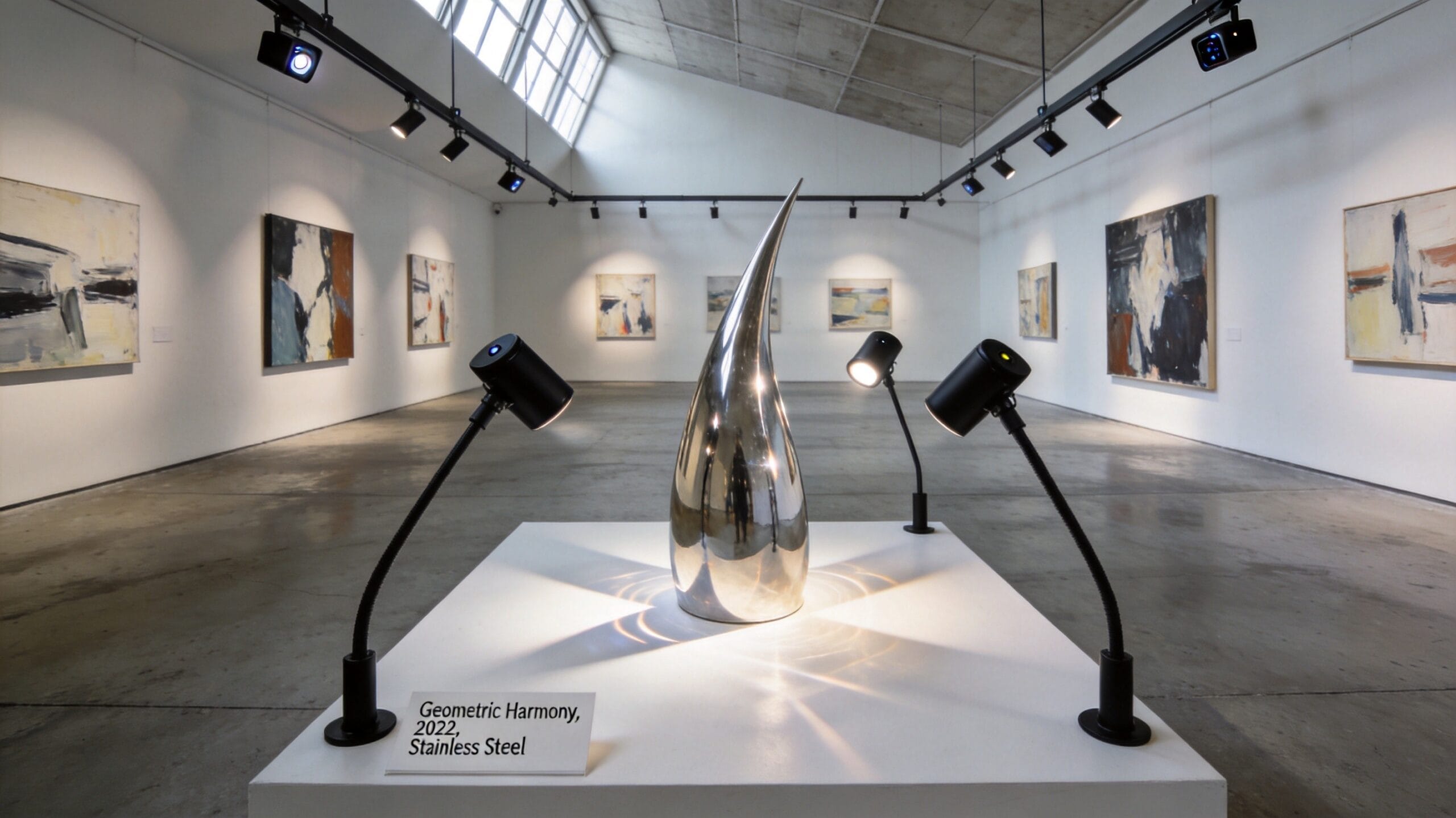
Different artistic media exhibit dramatically different responses to light exposure. Oil paintings, with their complex mixtures of pigments and binders, generally tolerate higher light levels than works on paper. Textiles present the most challenging case, as organic fibers degrade rapidly under sustained illumination.
Traditional museum standards recommend illuminance levels between 50 and 200 lux for sensitive artworks. AI gallery lighting systems move beyond these static recommendations by continuously monitoring and adjusting conditions based on real-time data.
AI-Driven Color Temperature Control
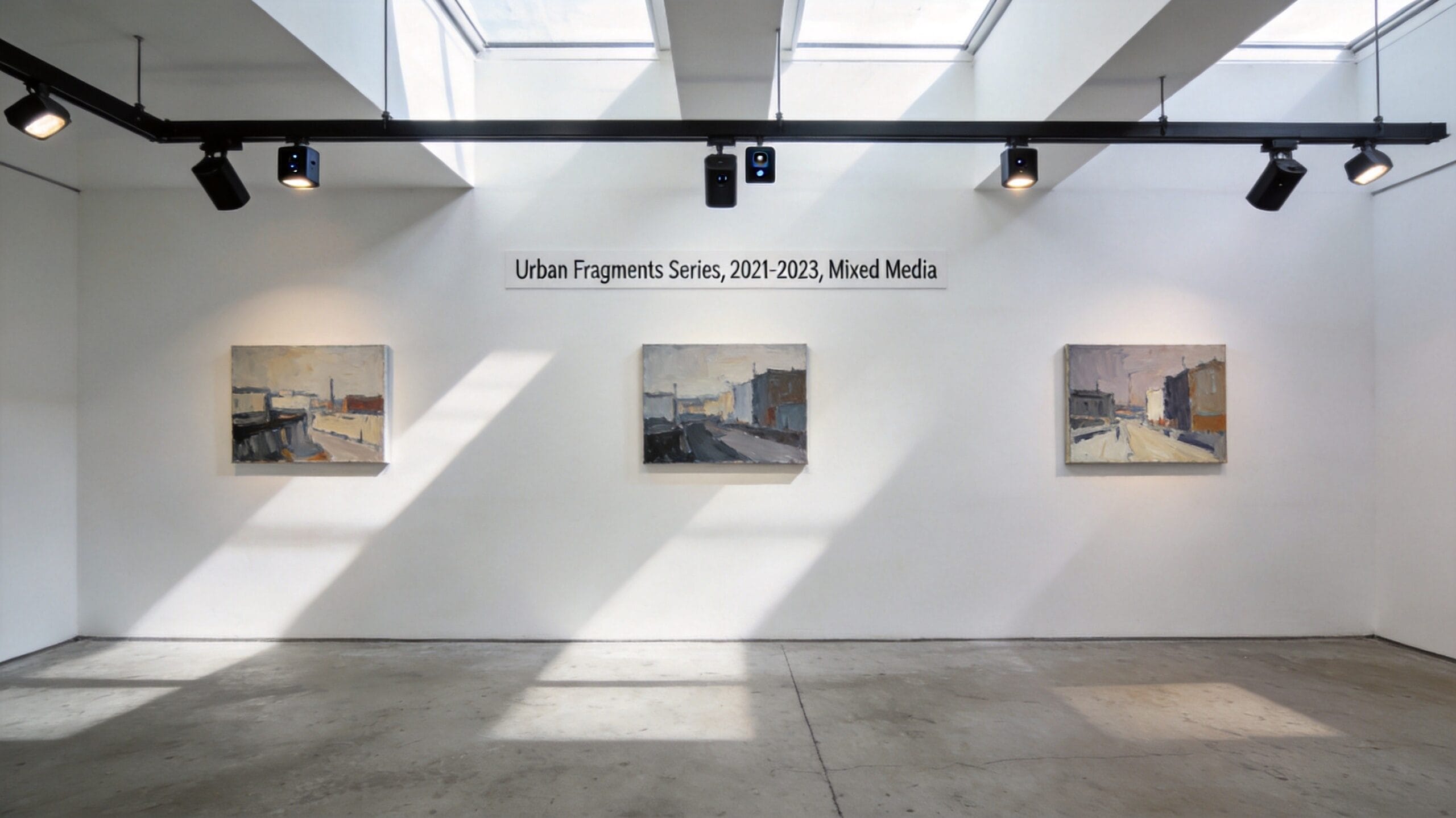
Modern AI platforms like CAIMETA’s AIscene technology incorporate spectrophotometric sensors that measure the spectral reflectance of artworks in real-time. When the system detects that particular pigments are sensitive to specific wavelengths, it automatically adjusts the lighting spectrum to reduce exposure in those ranges.
Dynamic Lighting Scenes: Adapting to Different Display Contexts
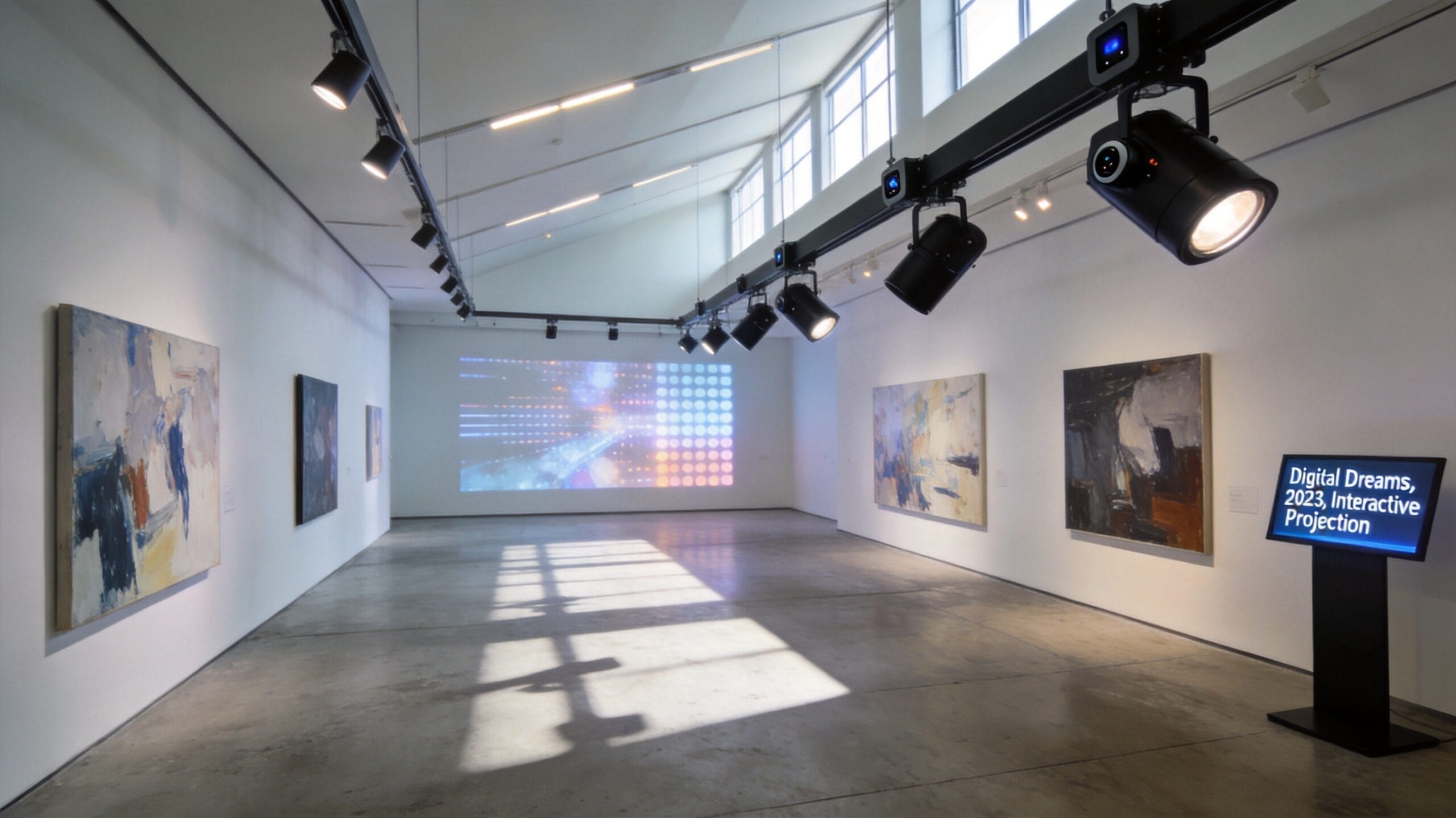
Art galleries serve multiple functions beyond simple display. Special exhibitions require different lighting configurations than permanent collections. CAIMETA’s AIspace technology enables galleries to define multiple lighting scenarios—opening hours, closing hours, special events, conservation mode—each with its own illumination parameters.
Conclusion
AI gallery lighting represents a transformative technology for art institutions committed to balancing preservation imperatives with engaging visitor experiences. The convergence of advanced LED technology, machine learning algorithms, and comprehensive sensor networks has made intelligent gallery lighting increasingly accessible.
For galleries ready to embrace this evolution, the path forward involves careful vendor selection, thoughtful implementation planning, and ongoing collaboration between conservation staff, facilities managers, and technology providers.