
AI-Driven Ambient Lighting Design: How AIspace Creates Adaptive Commercial Environments
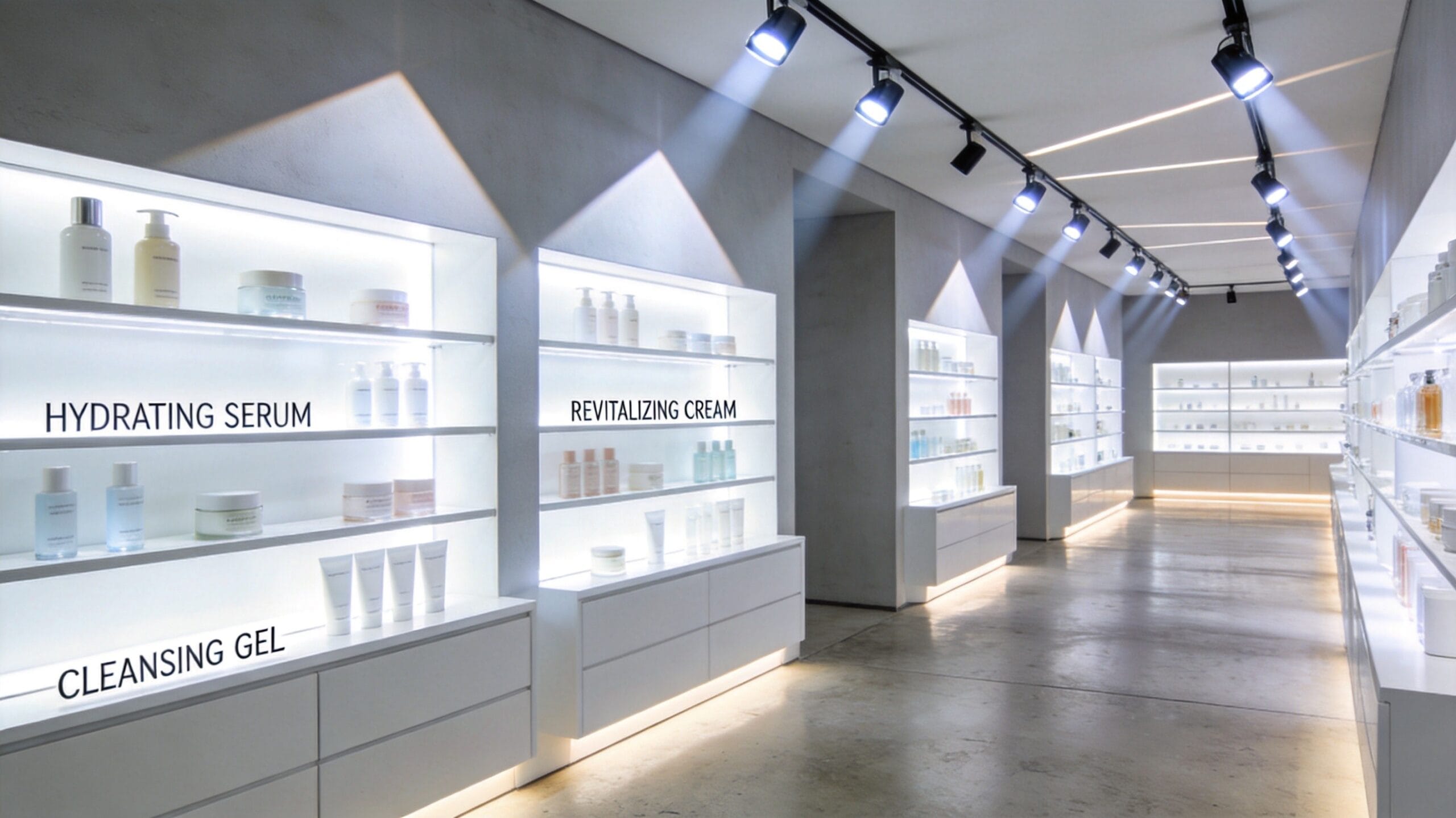
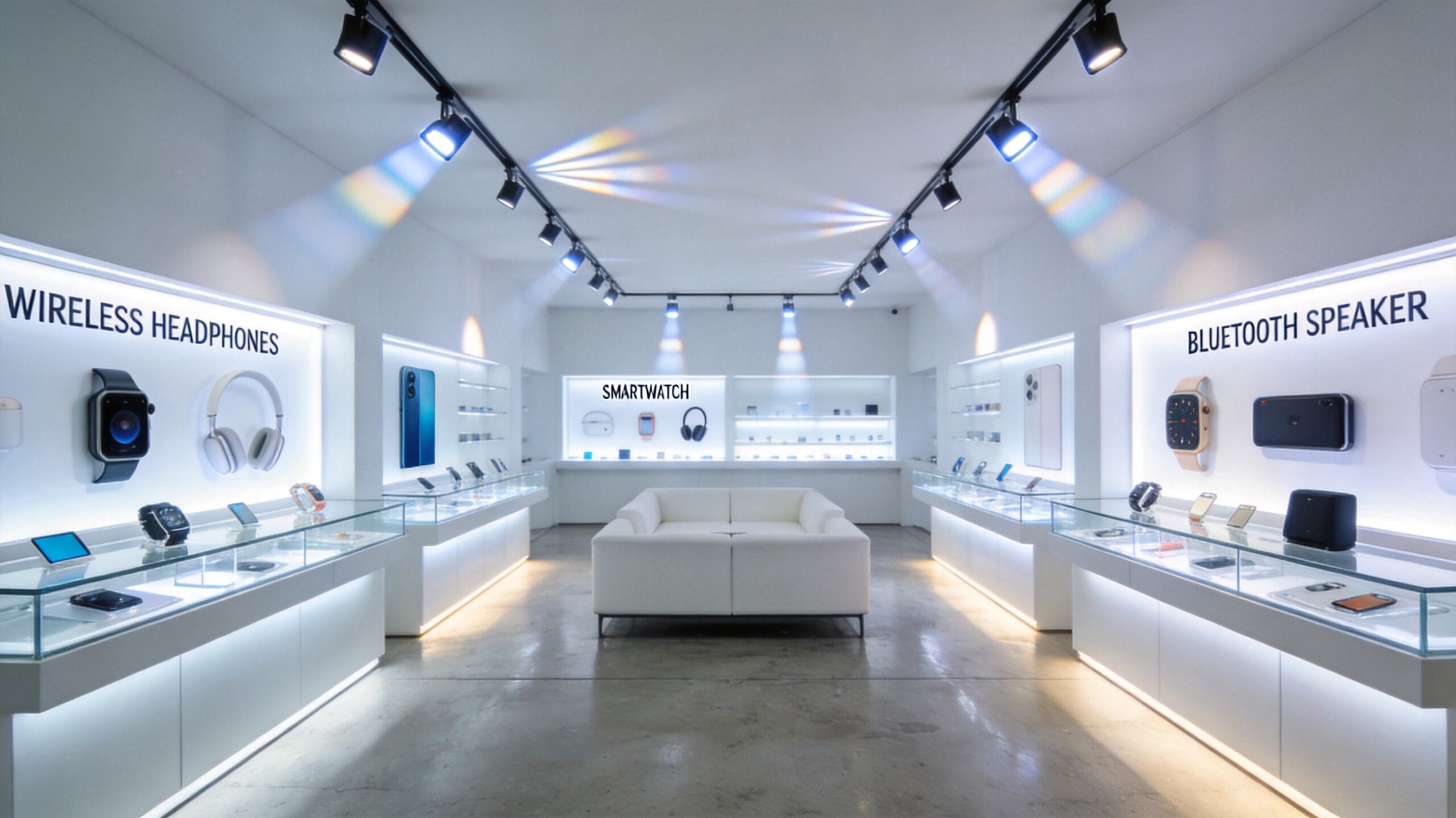
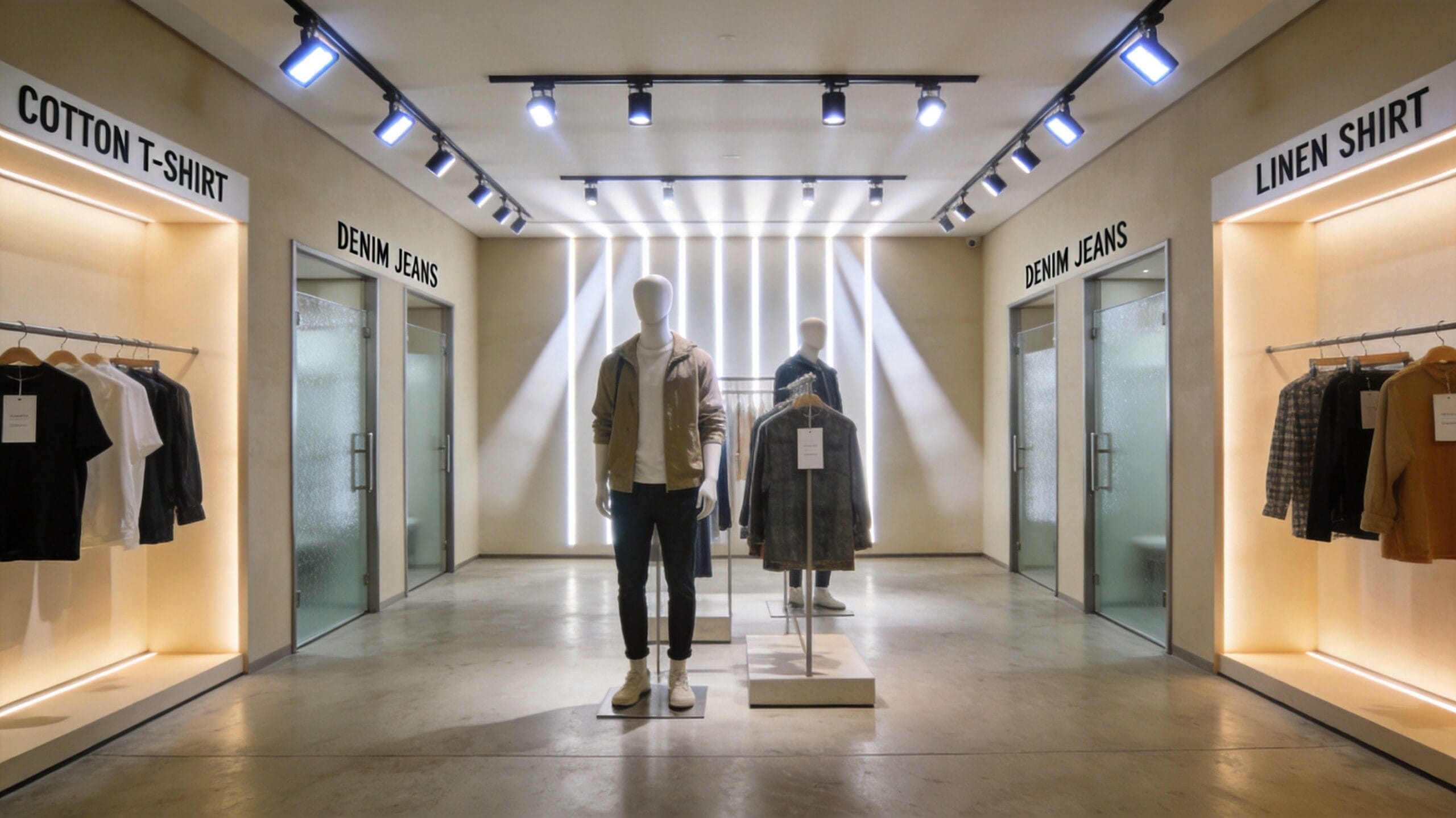
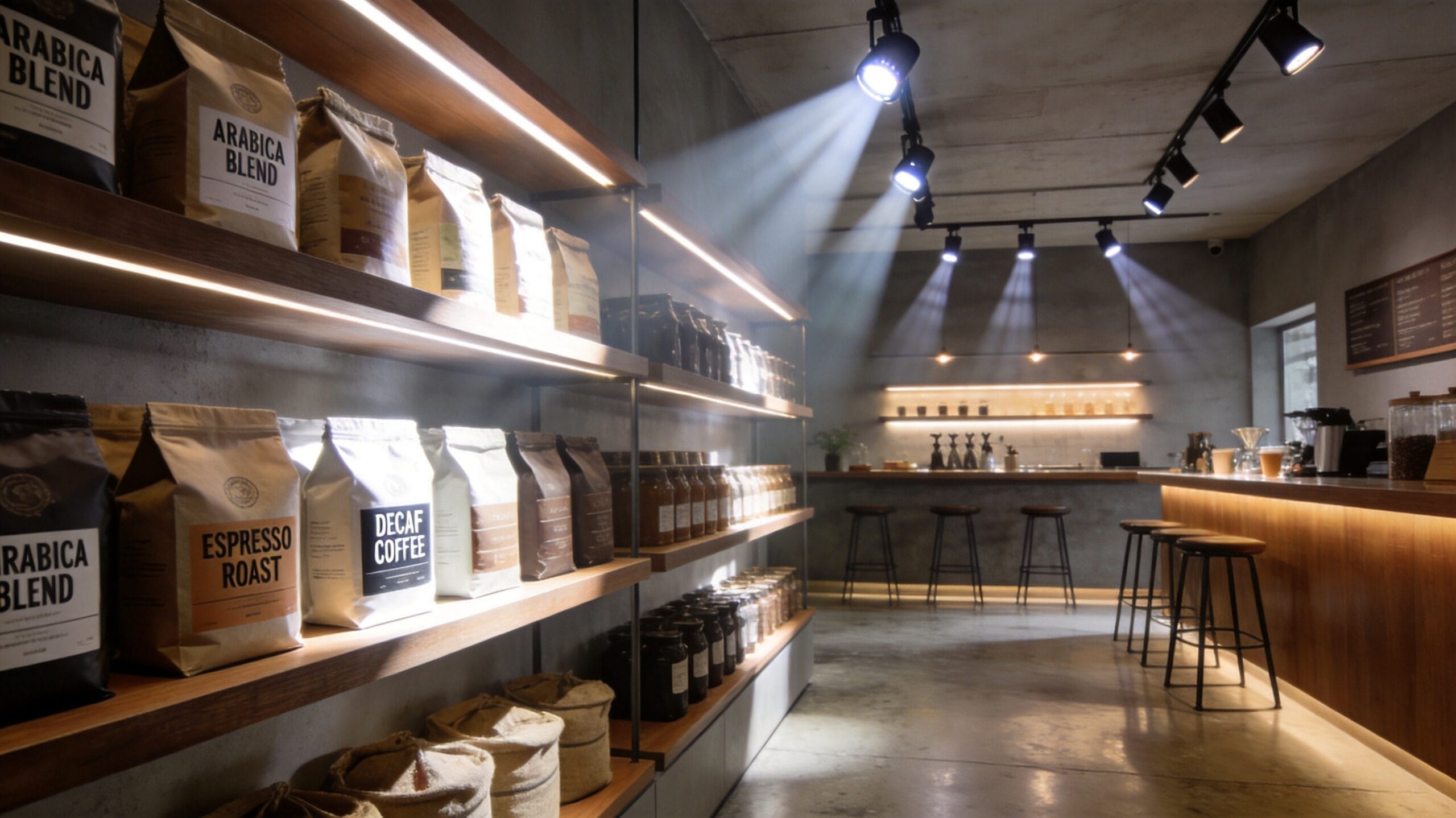
The gap between a forgettable retail space and an immersive shopping destination often comes down to a single factor: lighting. While traditional commercial lighting systems operate on fixed schedules and manual adjustments, AIspace technology represents a fundamental shift—creating environments that respond dynamically to human presence, activity patterns, and ambient conditions. This isn’t incremental improvement; it’s a complete reimagining of how artificial light serves commercial spaces.
Understanding AIspace: Beyond Static Illumination
Traditional commercial lighting follows predetermined patterns. Office lights turn on at 8 AM, dim at 6 PM, and remain static throughout the day regardless of cloud cover, occupancy, or task requirements. This approach wastes energy during unoccupied hours and fails to address the psychological impact of light on human performance and well-being.
Consider a typical 5,000 square foot retail environment. Traditional systems might divide this into 8-12 lighting zones with manual scheduling. An AIspace-enabled system can create 50+ micro-zones, adjusting individual fixtures based on foot traffic flow, time of day, and seasonal factors. The result is lighting that feels natural because it mimics the dynamic quality of natural daylight.
Technical Foundation: How AIspace Processes Environmental Data
The AIspace architecture relies on three interconnected data streams:
1. Occupancy Intelligence: PIR sensors combined with millimeter-wave radar detect presence without privacy concerns. The system distinguishes between passing traffic and deliberate engagement with product displays.
2. Ambient Light Monitoring: Photosensors measure natural light ingress through windows and skylights, enabling precise supplementation rather than blanket over-lighting.
3. Thermal Mapping: Temperature differentials help identify areas of concentrated activity, particularly valuable in large-format retail environments.
This multi-sensor approach generates approximately 10,000 data points per hour in a medium-sized commercial space. The AI processing layer synthesizes this data stream to predict lighting requirements 15-30 minutes ahead, enabling smooth transitions rather than reactive adjustments.
Practical Applications Across Commercial Verticals
Retail Environments: From Browsing to Conversion
In retail applications, AIspace serves dual purposes: operational efficiency and sales optimization. During peak hours, the system increases illuminance in high-traffic zones to facilitate navigation and reduce congestion. During slower periods, it creates focused pools of light around featured products, guiding customer attention without the energy waste of uniform high-level illumination.
A European fashion retailer reported a 23% reduction in lighting energy consumption after AIspace implementation, alongside a measurable increase in average dwell time in featured product zones. The system identified that customers spent 40% more time in areas with dynamic lighting that responded to their proximity.
Office Spaces: Productivity Through Circadian Support
Commercial office environments present a different optimization challenge. Research consistently demonstrates that light spectrum and intensity influence alertness, with implications for worker productivity and well-being. AIspace addresses this through adaptive CCT (Correlated Color Temperature) scheduling.
Morning hours see a shift toward 5000-6500K cool white light, supporting alertness during the critical first work hours. Midday maintains neutral white (4000K) for consistent task lighting. Late afternoon transitions to warmer 3000K tones, easing the transition toward evening without disrupting circadian rhythms.
Importantly, AIspace doesn’t impose rigid schedules—it modulates based on natural light availability. On overcast days, the system increases artificial light output to maintain consistent circadian support. On bright summer mornings, it reduces electrical lighting reliance while maintaining visual comfort.
Gallery and Museum Spaces: Preserving Art While Engaging Visitors
Cultural institutions face unique lighting challenges: protecting sensitive artworks from light damage while creating engaging visitor experiences. AIspace addresses both through intelligent zone management and UV/IR monitoring.
Permanent collections receive low-level ambient lighting (50-100 lux) with motion-triggered accent lighting when visitors approach. Temporary exhibitions receive higher illuminance levels but with严格的时间累积限制 (cumulative time limits) that prevent light damage while enabling dramatic presentation.
Energy and Maintenance Benefits
Beyond user experience, AIspace delivers measurable operational advantages:
|——–|——————-|—————-|————-|
The maintenance improvement deserves particular attention. AIspace continuously monitors LED driver performance, junction temperatures, and lumen depreciation. The system predicts failure patterns 2-3 weeks in advance, enabling scheduled maintenance rather than emergency service calls. For multi-location retailers, this predictive capability represents significant operational savings.
Integration Architecture: Connecting AIspace to Building Systems
Modern commercial buildings operate as integrated systems. AIspace communicates through standard protocols:
This protocol flexibility enables AIspace to function as either a standalone lighting solution or as a component within a broader smart building ecosystem. The system’s cloud management platform provides centralized monitoring across multiple locations, with role-based access for facilities managers, energy officers, and executive stakeholders.
Implementation Considerations
Organizations evaluating AIspace adoption should consider several factors:
The Business Case for Adaptive Ambient Lighting
The lighting industry is undergoing a fundamental transition from passive illumination to active environmental management. AIspace represents this transition concretely: spaces that understand their own utilization and respond appropriately.
For commercial operators, the equation is straightforward: lower operating costs through intelligent energy management, reduced maintenance through predictive analytics, and improved customer/employee experience through lighting that serves human needs rather than requiring human adjustment.
The question isn’t whether adaptive lighting will become standard—it’s whether your space will lead or follow this transition.
—
This article is part of CAIMETA’s ongoing commitment to advancing AI lighting technology.
For more information about AI lighting solutions, visit caimeta.net.