
AIcolor Technology: How AI Color Perception Enhances Retail Visual Merchandising
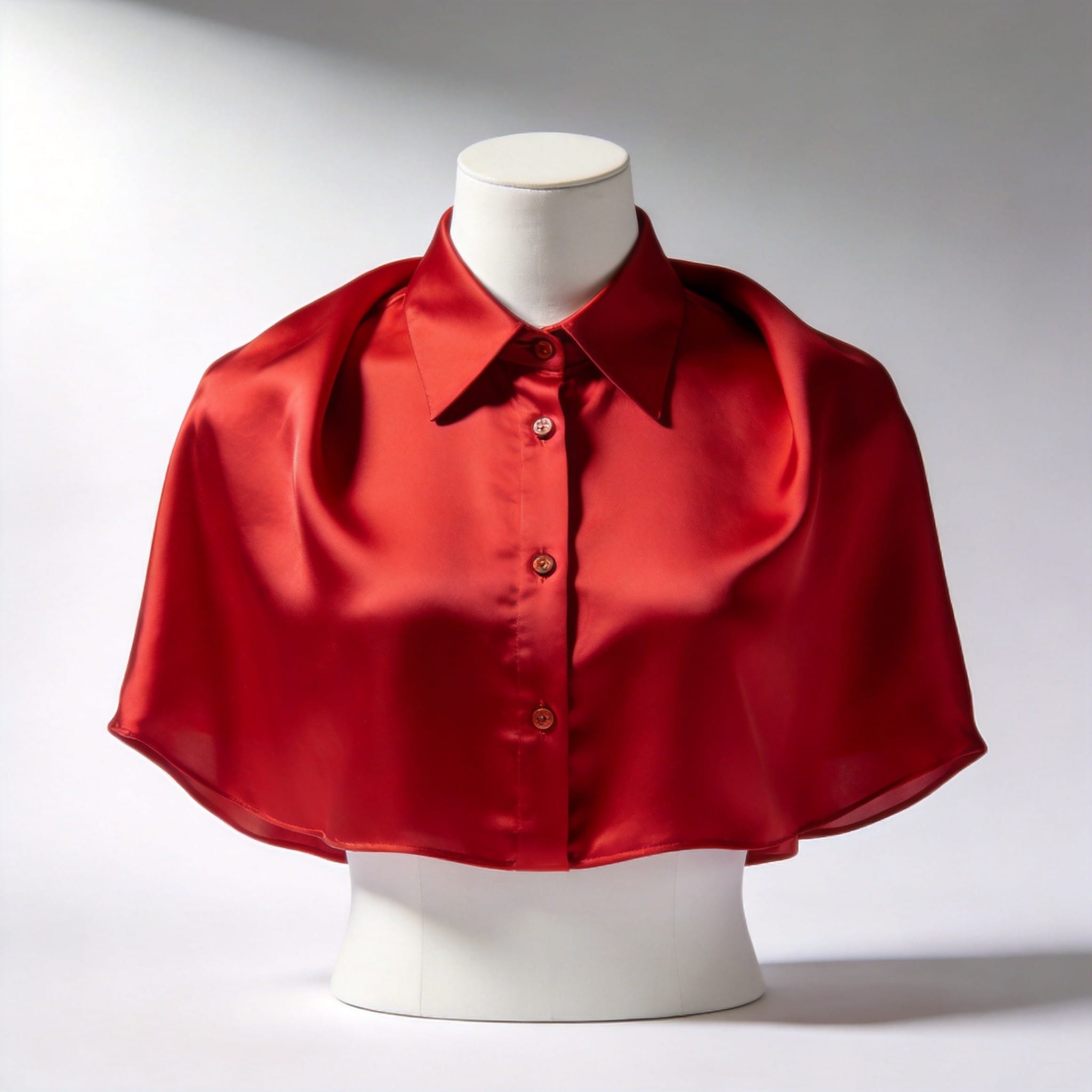
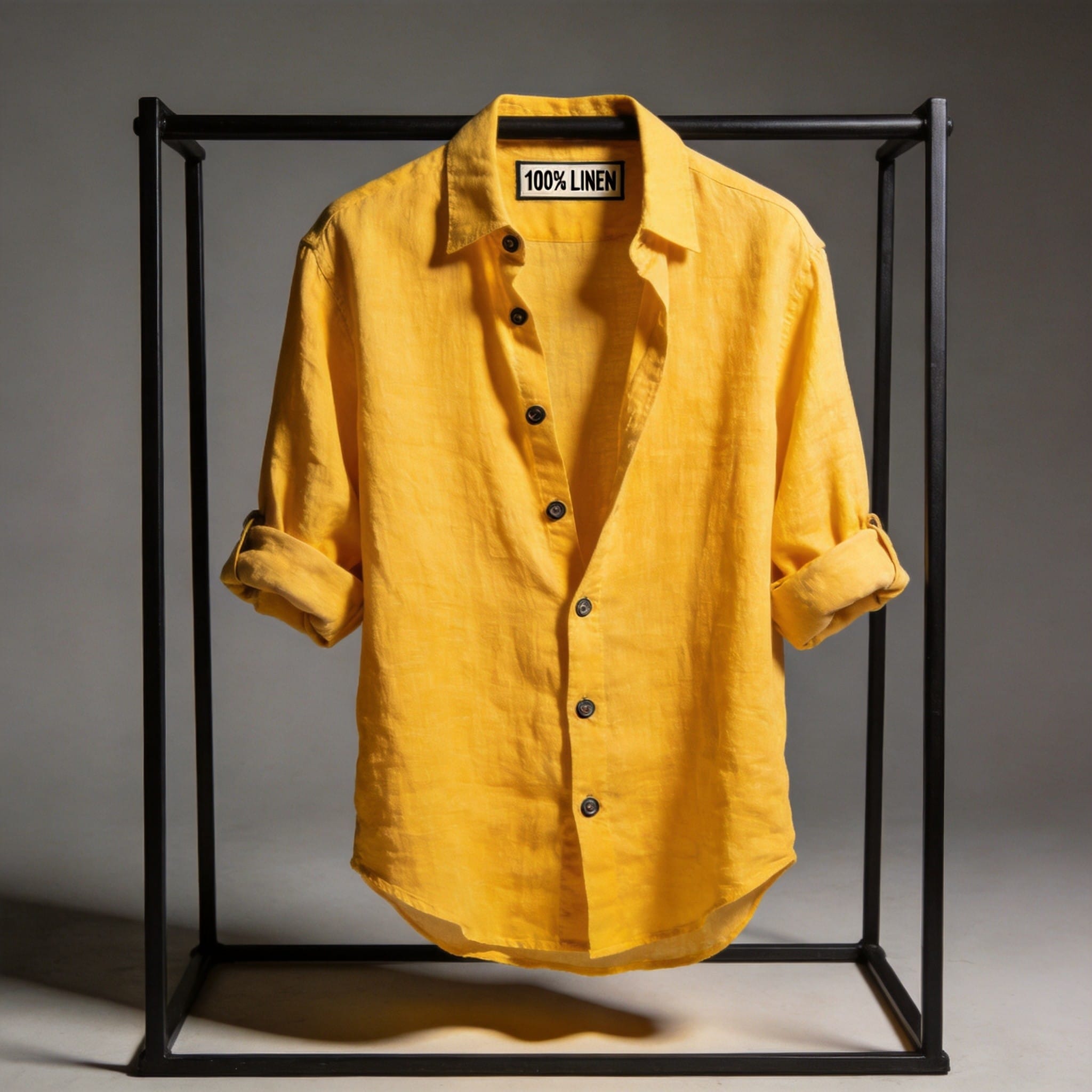
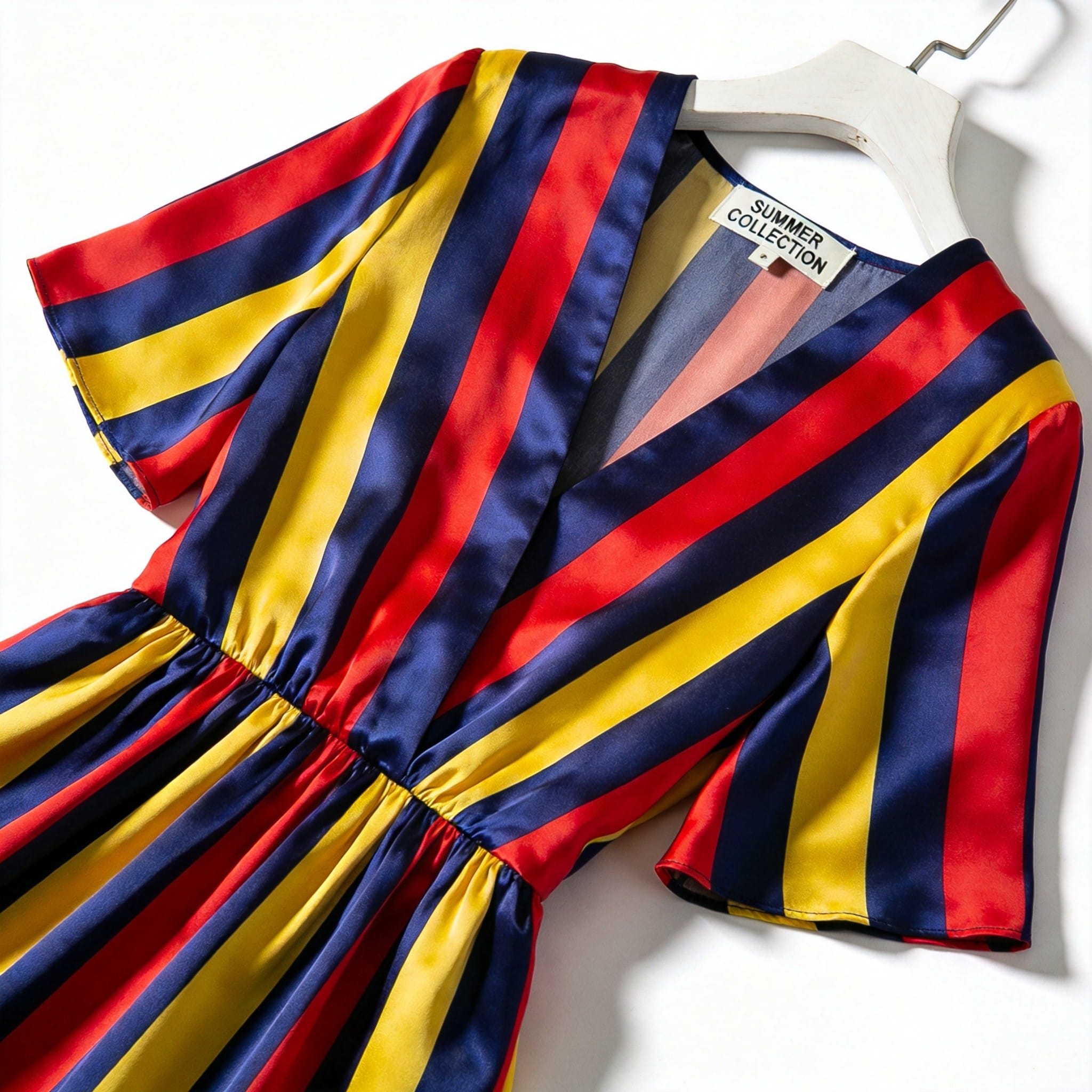
Color is the most immediate and visceral communication channel in retail environments. Before customers read a price tag, evaluate quality, or assess value—they perceive color. Research indicates that up to 85% of consumers cite color as the primary reason for purchasing a specific product. Yet most retail lighting systems treat color as an afterthought, illuminating merchandise with generic white light that may actually distort the very colors retailers work so hard to present. AIcolor technology represents a fundamentally different approach: lighting that perceives, adapts, and enhances.
The Color Rendering Challenge in Commercial Lighting
Traditional retail lighting faces an inherent contradiction. High-efficiency lighting sources—particularly early LED implementations—often sacrifice color quality for energy savings. The Color Rendering Index (CRI), which measures how accurately a light source reveals object colors compared to natural light, varies dramatically across common commercial lighting options.
Standard fluorescent tubes typically achieve CRI 62-72, introducing greenish or bluish tints that distort skin tones and fabric colors. Metal halide sources reach CRI 65-80, better but with significant warm-cool variability. Even many “high CRI” LED products achieve only 80-85, falling short of the 90+ CRI necessary for accurate color judgment in retail applications.
This color distortion has measurable business consequences. When customers perceive product colors incorrectly under store lighting, two outcomes become likely: either they return products after discovering the actual color at home, or they avoid purchasing altogether, deterred by apparent color mismatches between displayed items and their expectations.
Introducing AIcolor: Perception Meets Intelligence
Adaptive Spectrum Optimization
Unlike static lighting systems, AIcolor continuously adjusts spectral output based on detected merchandise characteristics. The system uses embedded color sensors to analyze the reflectance properties of illuminated surfaces, then modulates LED channel output to enhance color presentation.
For a apparel retailer displaying navy blue garments, AIcolor increases output in the 450-480nm blue spectrum while maintaining balanced white point. For a cosmetics counter featuring red lipsticks and pink blushes, the system shifts toward warmer output with enhanced red channel activity. These adjustments happen automatically, without manual programming or zone configuration.
High Saturation Enhancement (HSE)
Beyond accurate color rendering, AIcolor includes proprietary High Saturation Enhancement technology. HSE subtly intensifies color saturation for maximum visual impact—increasing the “pop” that draws customer attention without pushing colors into unnatural territory.
The technology achieves this through targeted spectral sharpening. Rather than broad-spectrum white light, HSE creates narrower spectral peaks centered on the dominant wavelengths of displayed merchandise colors. The result is vivid, saturated presentation that makes products appear more attractive without appearing artificial.
Retailer-Specific Color Profiles
AIcolor learns from retailer preferences and brand guidelines. A luxury brand emphasizing muted earth tones can configure the system to present colors with understated elegance. A youth-oriented retailer promoting bold, vibrant offerings can enable maximum saturation presentation. The same hardware serves both applications through software configuration.
Practical Implementation: From Concept to Store Floor
Fresh Food Presentation
Grocery retailers face perhaps the most demanding color rendering requirements. The vivid red of premium beef, the fresh green of leafy vegetables, the golden yellow of ripe bananas—these color cues directly influence purchasing decisions. AIcolor’s food-specific algorithms optimize spectral output for each produce category:
A regional supermarket chain reported a 12% increase in produce sales within three months of AIcolor implementation, attributing the improvement to more appealing product presentation.
Fashion and Apparel
Fashion retail introduces additional complexity: fabric texture, weave patterns, and material composition all influence how colors appear under different light sources. AIcolor addresses these variables through multi-angle sensing that detects both diffuse and specular reflection characteristics.
The system recognizes that velvet absorbs light differently than cotton, that sequined fabrics create sparkle effects that pure color rendering cannot capture. AIcolor’s adaptive algorithms account for these material-specific behaviors, ensuring that what customers see under store lighting closely matches what they’ll see in natural daylight.
Cosmetics and Beauty
Beauty product presentation demands exceptional color accuracy. Foundation shades must appear identical under store lighting to how they’ll perform on skin. Lipstick colors must be judged accurately without the misleading warmth of tungsten lighting or the cool clinical feel of fluorescent sources.
AIcolor’s cosmetics profile maintains neutral-true (4000K ±100K) white point with CRI exceeding 95 across the visible spectrum. The system also addresses UV-reactive products through optional UV-A supplementation, ensuring that items with fluorescent whitening agents appear as intended.
Technical Specifications: Understanding AIcolor Performance
|———–|————–|——————-|
The TM30 metrics deserve particular attention. Developed by the Illuminating Engineering Society, TM30 provides a more comprehensive color evaluation than traditional CRI. The Fidelity Index (Rf) measures color accuracy (similar to CRI), while the Gamut Index (Rg) measures color saturation. AIcolor’s Rg values above 100 indicate enhanced saturation compared to reference light—exactly the visual impact retailers seek.
Integration with Retail Analytics
AIcolor functions as more than a lighting system—it serves as a data collection platform. The color sensors that enable adaptive spectrum optimization also capture valuable retail intelligence:
This analytics integration enables continuous optimization. The system identifies which color presentations perform best, then automatically adjusts lighting parameters to emphasize high-performing configurations.
Energy Efficiency: Doing More with Less
Despite its sophisticated capabilities, AIcolor maintains excellent energy efficiency:
The result: AIcolor-equipped stores typically achieve 35-45% energy reduction compared to conventional LED systems, while simultaneously delivering superior color presentation. The technology proves that sustainability and visual excellence need not conflict.
Making the Transition: Implementation Recommendations
Organizations adopting AIcolor should consider:
The Future of Color-Intelligent Lighting
AIcolor represents the convergence of solid-state lighting technology, artificial intelligence, and retail merchandising expertise. The technology acknowledges a fundamental truth: lighting doesn’t just illuminate products—it shapes perception, influences emotion, and drives purchasing decisions.
As lighting systems become increasingly intelligent, the distinction between “lighting” and “visual merchandising” blurs. AIcolor embodies this convergence: a lighting system that understands color, responds to context, and continuously optimizes for commercial success.
For retailers seeking every competitive advantage, color-intelligent lighting is no longer optional—it’s essential infrastructure.
—
This article is part of CAIMETA’s ongoing commitment to advancing AI lighting technology.
For more information about AI lighting solutions, visit caimeta.net.