
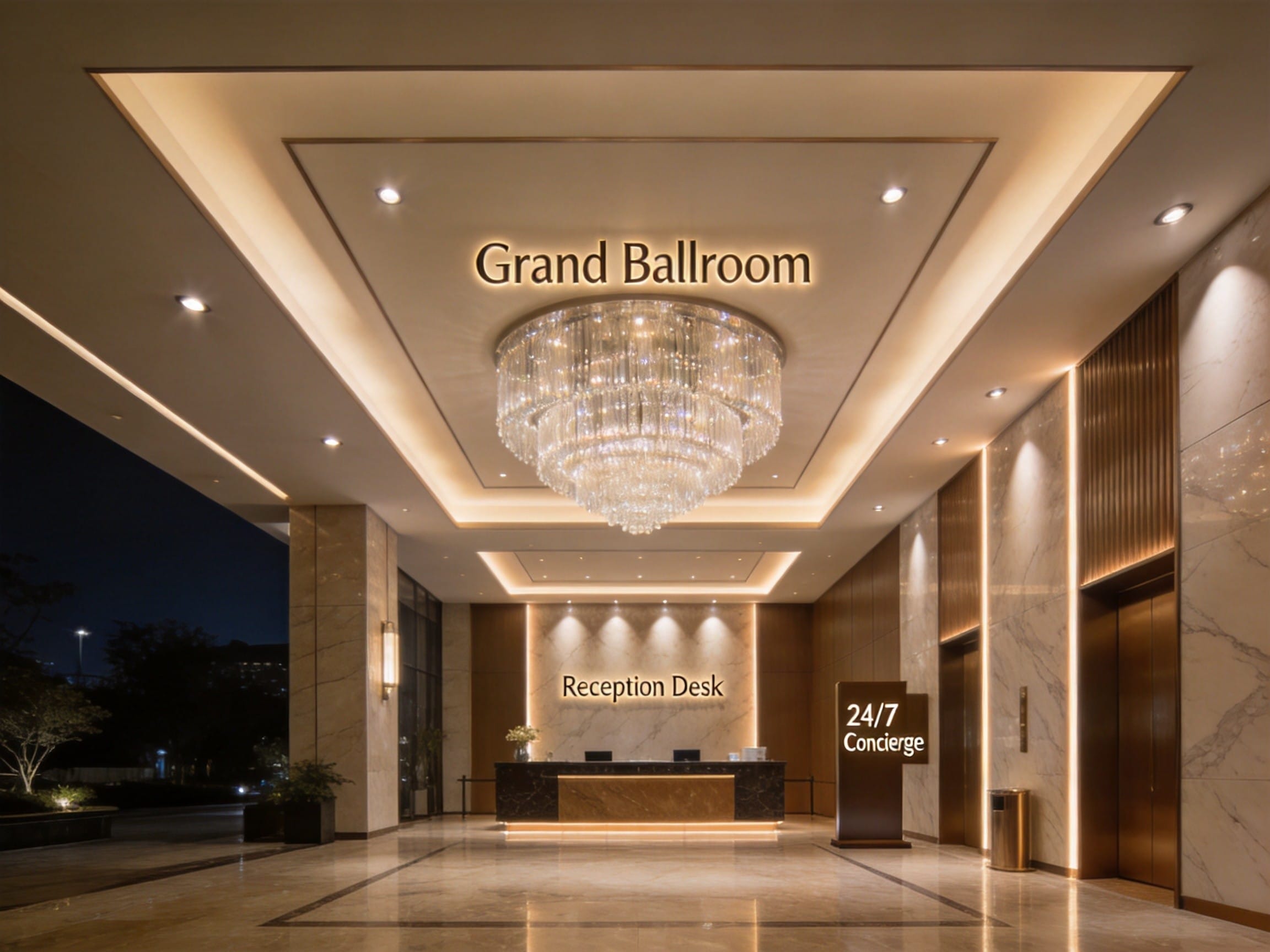
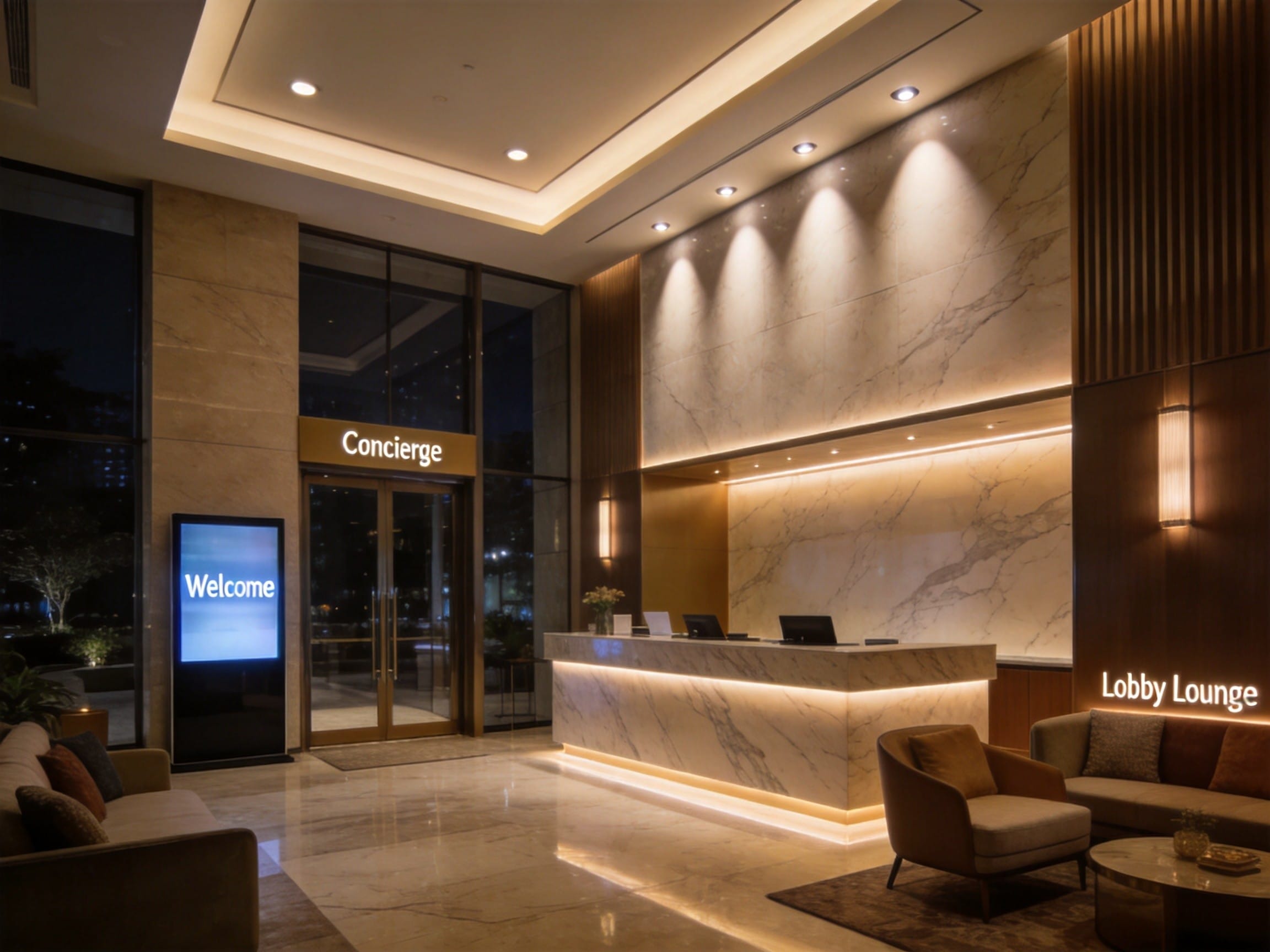
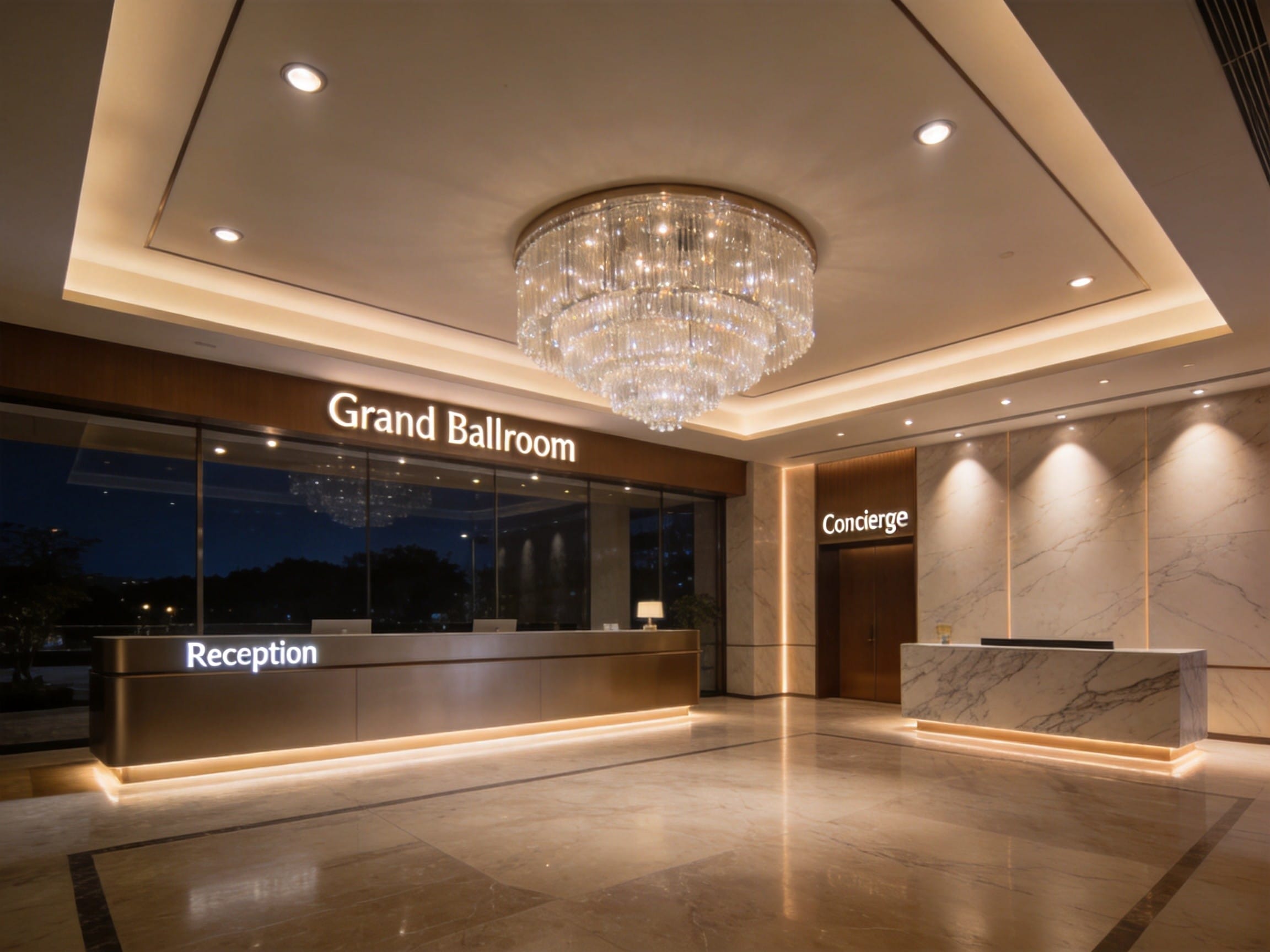
The hospitality industry has always been about creating memorable experiences. Yet for decades, hotel lighting remained static — a simple on-off switch by the bed, a few preset scenes controlled from a clunky panel. In 2026, that paradigm is shifting. AI-powered smart lighting is transforming how hotels approach guest comfort, brand identity, and operational efficiency. From boutique properties to large international chains, intelligent lighting systems are becoming a cornerstone of the modern guest room experience.
The Evolution from Static to Sentient Lighting
Traditional hotel lighting followed predictable patterns. Housekeeping staff set rooms to a standard configuration. Guests arrived to find the same brightness level regardless of the time of day or their personal preference. The bed control panel offered a handful of fixed scenes — perhaps “Welcome,” “Reading,” and “Sleep” — but these were pre-programmed guesses, not responses to actual guest behavior.
AI-powered hotel lighting changes everything by introducing adaptive environmental intelligence. Modern systems like CAIMETA’s AIspace technology continuously monitor and analyze the physical environment — ambient light levels, time of day, room occupancy patterns — and automatically adjust lighting parameters to optimize guest comfort and energy efficiency.
This goes beyond simple automation. True AI-driven systems learn from aggregated guest behavior across similar room types, building a data model that predicts what lighting conditions guests will prefer before they even articulate a need.
Key AI Technologies Transforming Hotel Lighting
Circadian Rhythm Alignment
Human circadian rhythms are sensitive to light exposure, particularly the color temperature and intensity of ambient light. Adaptive CCT technology — a core component of systems like CAIMETA’s AIcolor engine — automatically shifts color temperature throughout the day:
- Morning (6:00–9:00): Gradually increasing brightness with cooler color temperatures (5000–6500K) to support natural wake cycles
- Midday (9:00–17:00): Stable, bright illumination (4000–5000K) maintaining alertness
- Evening (17:00–22:00): Transitioning to warmer tones (3000–3500K) signaling relaxation
- Night (22:00–6:00): Minimal ambient lighting with soft path illumination at 2700K or below
Studies consistently show that circadian-aligned lighting improves sleep quality. A 2024 Cornell University study found that hotel guests exposed to circadian-aligned room lighting reported 12% higher satisfaction scores compared to those in rooms with conventional fixed-temperature lighting.
Occupancy-Based Scene Adaptation
AI systems in modern hotels respond to what guests are actually doing in the room. Using occupancy sensors integrated with AIscene recognition, smart lighting systems detect activity patterns — arrival, working, watching TV, or sleeping — and automatically adjust scene configurations accordingly.
Guest Personalization via Mobile Integration
Forward-thinking hotel brands integrate AI lighting control with mobile apps and guest loyalty profiles. Returning guests have their preferred lighting conditions recognized and automatically applied based on their loyalty account profile, time-of-arrival data, and wake-up alarm settings.
Energy Efficiency and Operational Cost Savings
Beyond guest experience, AI hotel lighting delivers measurable operational benefits. The global hospitality sector spends approximately $100 billion annually on energy, with lighting accounting for 15–30% of total hotel electricity consumption.
AI-powered lighting optimization typically delivers:
| Efficiency Metric | Improvement Range |
|---|---|
| Lighting energy consumption | 30–55% reduction vs. conventional systems |
| HVAC load reduction (heat output optimization) | 8–15% secondary savings |
| Maintenance cost reduction | 20–40% fewer lamp replacements |
| Occupancy sensor-triggered savings | 15–25% in low-traffic areas |
Brand Consistency Across Multiple Properties
For hotel chains operating dozens or hundreds of properties, AI lighting systems solve a persistent challenge: ensuring brand-consistent guest experiences regardless of local architecture or staffing quality. AIspace’s cloud-connected management platform allows regional managers to define brand-standard lighting profiles that automatically deploy across all properties — updating centrally and pushing to all rooms simultaneously.
Challenges and Implementation Considerations
Despite the clear benefits, hotel operators face practical challenges:
- Upfront Investment: Full AI lighting system deployment typically costs $800–2,500 per guest room, with payback in 2–4 years
- Legacy Infrastructure: Retrofitting older properties requires careful planning to minimize guest disruption
- Data Privacy: AI systems tracking occupancy and behavioral patterns must comply with GDPR, CCPA, and regional regulations
- Interoperability: Ensuring AI lighting integrates with existing BMS platforms via BACnet, KNX, or DALI protocols
The Future of AI Hotel Lighting
Looking ahead, the convergence of AI lighting with other smart building technologies points toward fully integrated guest environment management. In-room AI assistants will coordinate lighting with HVAC, window shading, music, and even scent delivery to create personalized scenes that adapt in real time. CAIMETA’s AIscene and AIspace technologies represent the current frontier of this transformation, bringing AI-powered adaptive lighting from luxury novelty to accessible commercial solution.
For hotel operators seeking differentiation in an increasingly competitive market, intelligent lighting is no longer a premium feature — it’s becoming a baseline expectation.